




Getting pulled over for suspected drunk driving in Nebraska creates immediate panic and confusion. You’re facing criminal charges, potential jail time, license suspension, and fines that affect your job, family responsibilities, and daily life.
Nebraska takes drunk driving seriously, imposing mandatory minimum jail sentences, substantial fines, license revocations, and ignition interlock requirements even for first offenses. Repeat offenses escalate penalties dramatically, including felony charges for third convictions within 15 years.
Beyond criminal penalties, DUI convictions create collateral consequences affecting employment, professional licensing, insurance rates, and background checks. Understanding these laws and your defense options protects your rights from the moment of arrest.
If you’ve been arrested for DUI in Nebraska, contact a DUI lawyer at Liberty Law Group at (402) 865-0501 for a free consultation. Our firm defends DUI charges across Nebraska, challenging evidence, protecting your driving privileges, and fighting for the best possible outcome in your case.
Key Takeaways: Nebraska DUI Laws
- Nebraska sets the legal BAC limit at .08 percent for drivers over 21, .02 percent for drivers under 21, and .04 percent for commercial drivers
- First-offense DUI convictions require mandatory minimum seven-day jail sentences, $500 fines, six-month license revocations, and one-year ignition interlock requirements
- Second and third DUI offenses within 15 years result in escalating penalties including longer jail sentences, higher fines, extended license revocations, and eventual felony charges
- Refusing breath or blood testing triggers automatic one-year license revocation under Nebraska’s implied consent law, separate from criminal penalties
- License revocation occurs through both criminal conviction and separate DMV administrative proceedings, requiring different defenses and strict deadlines
- DUI convictions remain on your record permanently in Nebraska unless successfully set aside through pardon or expungement proceedings
What Is Considered DUI in Nebraska?
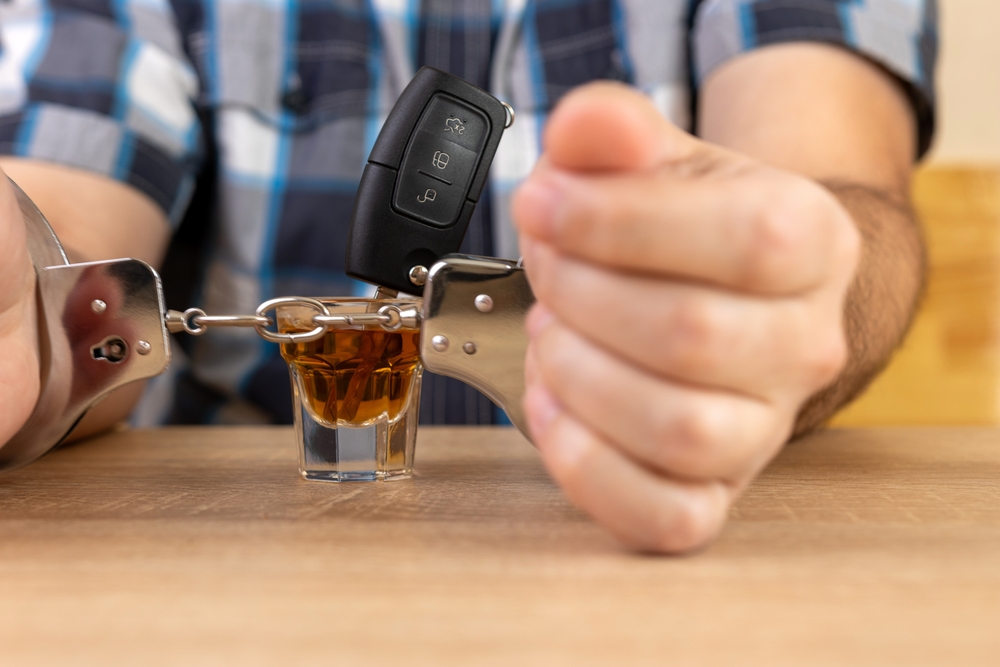
Nebraska statute § 60-6,196 prohibits operating or being in actual physical control of any motor vehicle while under the influence of alcohol or drugs, or while having a blood or breath alcohol concentration of .08 percent or more. Prosecutors can prove DUI through two methods: impairment-based prosecution or per se prosecution.
Impairment-Based DUI
Impairment-based DUI requires prosecutors to prove you were under the influence to a degree that rendered you incapable of safely driving. Evidence includes officer observations of driving patterns, physical appearance, speech, balance, field sobriety test performance, and admission of drinking. Prosecutors need not prove specific BAC levels if they demonstrate impairment through these other factors.
Per Se DUI
Per se DUI requires prosecutors only to prove your BAC reached or exceeded .08 percent, regardless of whether you appeared impaired. Chemical test results alone establish guilt under per se prosecution, eliminating the need to prove actual impairment. This provision allows DUI convictions even when defendants show no visible signs of intoxication if chemical testing shows illegal BAC levels.
Nebraska BAC Limits for Different Drivers
Nebraska establishes different BAC thresholds for different driver categories, imposing stricter limits on commercial drivers and zero-tolerance standards for underage drivers.
Standard Drivers Over 21
Drivers age 21 and older face DUI charges when BAC reaches .08 percent or higher. This standard applies to personal vehicle operation and represents the threshold where per se DUI prosecution applies without requiring proof of impairment.
Underage Drivers Under 21
Nebraska enforces zero-tolerance DUI laws for drivers under age 21. § 60-6,211.01 prohibits underage drivers from operating vehicles with BAC of .02 percent or more. This extremely low threshold means a single drink could trigger a violation. Underage DUI violations constitute separate offenses with distinct penalties from standard DUI charges.
Commercial Drivers
Commercial drivers face stricter .04 percent BAC limits under federal regulations. This lower threshold applies whether operating commercial vehicles or personal vehicles. Commercial drivers convicted of DUI face CDL disqualification in addition to standard DUI penalties, threatening careers for professional drivers.
Nebraska DUI Penalties by Offense Level
Nebraska imposes escalating penalties for DUI convictions based on prior offense history within 15-year look-back periods.
First-Offense DUI Penalties
First-offense DUI convictions in Nebraska require:
- Jail: Seven-day mandatory minimum, up to 60 days maximum (courts may allow work release or house arrest)
- Fines: $500 minimum
- License revocation: Six months
- Ignition interlock: One year minimum following license reinstatement
- Probation: Courts may impose probation with conditions, including alcohol evaluation, treatment, and community service
First offenses without aggravating factors sometimes qualify for pretrial diversion programs, allowing conviction avoidance through completion of alcohol education, treatment, and probation requirements.
Second-Offense DUI Penalties
Second DUI convictions within 15 years require:
- Jail: 30 days mandatory minimum (up to 60 days may be served through house arrest)
- Fines: $500 to $1,500
- License revocation: 18 months
- Ignition interlock: Five years minimum following license reinstatement
- Probation: Extended probation with more restrictive conditions
Second offenses eliminate most diversion opportunities and result in longer incarceration and substantially extended ignition interlock requirements.
Third-Offense and Subsequent DUI Penalties
Third DUI convictions within 15 years become Class IIIA felonies, carrying:
- Prison: One to five years
- Fines: $1,000 to $10,000
- License revocation: 15 years
- Ignition interlock: Per court order following license reinstatement eligibility
- Felony record: Permanent felony conviction affecting employment, housing, voting rights, and firearm ownership
Third offenses trigger mandatory prison sentences and create permanent felony records with lifelong collateral consequences.
Aggravated DUI Penalties
Certain circumstances increase DUI penalties substantially:
- High BAC (.15 or higher): Enhanced penalties and mandatory ignition interlock requirements
- Child passenger (under 16): First offense requires 90-day mandatory jail sentence
- Serious bodily injury: Class III felony, one to three years prison
- Death (motor vehicle homicide): Class IIA felony, up to 20 years prison
These aggravating factors eliminate standard penalty ranges and impose significantly harsher sentences.
Nebraska License Suspension and Revocation
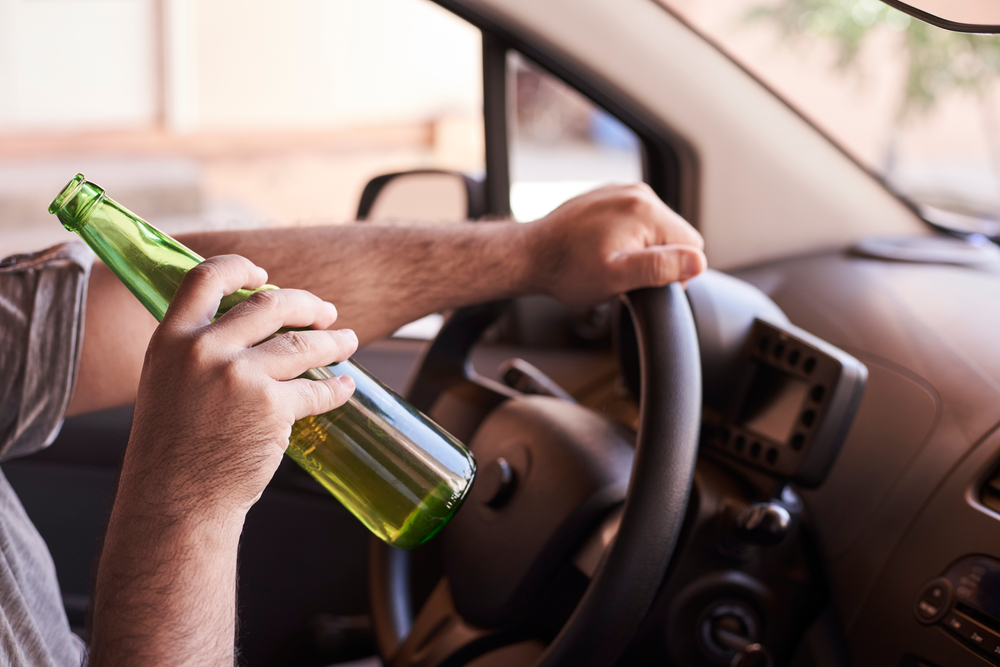
DUI arrests trigger two separate proceedings affecting driving privileges: criminal prosecution and administrative license revocation. These proceedings operate independently, imposing separate consequences that defendants must address through different processes.
Criminal License Revocation
DUI convictions result in license revocations as part of criminal sentencing. First offenses result in six-month revocations, second offenses result in 18-month revocations, and third offenses result in 15-year revocations. These revocation periods begin after completing any jail sentences and represent minimum periods before reinstatement eligibility.
Administrative License Revocation (ALR)
When officers arrest drivers for DUI and chemical testing shows BAC at or above legal limits, or when drivers refuse testing, officers confiscate licenses and issue temporary permits valid for 15 days. During this 15-day window, drivers must request administrative license revocation hearings before the Nebraska Department of Motor Vehicles to challenge the suspension. Failing to request hearings within 15 days results in automatic revocation.
ALR hearings address limited issues:
- Whether officers had reasonable grounds to believe drivers were operating under the influence
- Whether drivers were lawfully arrested
- Whether testing showed BAC above legal limits or drivers refused testing
- Whether testing protocols were followed correctly
Winning ALR hearings preserves driving privileges regardless of criminal case outcomes. Your DUI defense attorney can represent you at both your criminal and ALR hearings.
Ignition Interlock Requirements
Nebraska requires ignition interlock devices following most DUI convictions. These devices require drivers to provide breath samples before vehicles start and random retests while driving. Violation of interlock requirements extends interlock periods and might result in additional criminal charges.
First offenses require a one-year minimum ignition interlock period following license reinstatement. Second offenses require a five-year minimum period. Ignition interlock permits allow limited driving during revocation periods for work, education, medical appointments, and court-ordered activities.
Nebraska’s Implied Consent Law and Refusal Consequences
Nebraska’s implied consent law § 60-6,197 establishes that anyone operating motor vehicles on Nebraska roads consents to chemical testing when arrested for DUI. Refusing breath or blood testing triggers automatic one-year license revocation, separate from and in addition to any criminal penalties.
How Long Does a DUI Stay on Your Record in Nebraska?
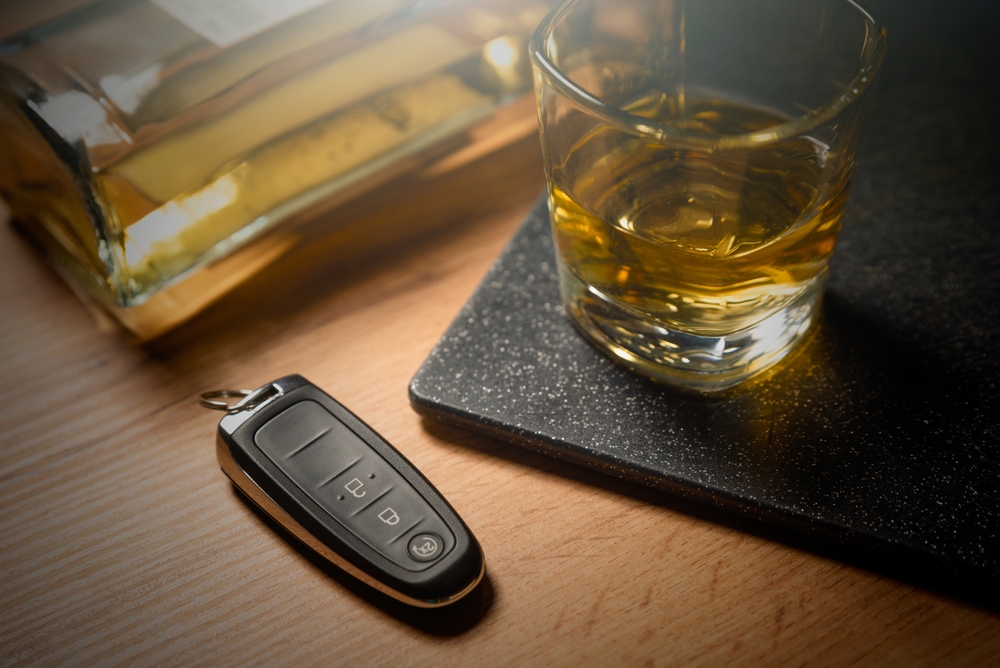
DUI convictions remain on Nebraska criminal records permanently unless successfully set aside through pardon or set-aside proceedings. These permanent records appear on background checks conducted by employers, landlords, professional licensing boards, and others.
For purposes of enhanced penalties, Nebraska counts prior DUI convictions within 15-year look-back periods. A DUI conviction counts as a prior offense for enhanced penalty purposes if subsequent offenses occur within 15 years of the prior conviction date. After 15 years, prior convictions no longer enhance penalties for new offenses, though they remain on permanent criminal records.
When You Need a Nebraska DUI Defense Attorney
Most DUI defendants benefit from hiring experienced criminal defense attorneys who understand Nebraska DUI laws, local court procedures, and effective defense strategies.
Protecting Your License
The 15-day deadline to request ALR hearings approaches quickly, and missing it forfeits opportunities to challenge license suspensions. Attorneys request hearings, represent clients at DMV proceedings, and coordinate criminal defense with license preservation strategies.
Challenging Evidence and Procedure
DUI defenses require technical knowledge of chemical testing, field sobriety protocols, constitutional search and seizure law, and evidence rules. Attorneys identify constitutional violations, challenge testing reliability, and force prosecutors to prove guilt beyond a reasonable doubt.
Negotiating Favorable Outcomes
Attorneys with local court experience understand prosecutor policies, judge tendencies, and realistic resolution expectations. They negotiate charge reductions, diversion eligibility, and sentencing recommendations that minimize long-term consequences while acknowledging case strengths and weaknesses.
How Liberty Law Group Defends Nebraska DUI Cases
Liberty Law Group defends DUI charges across Nebraska, challenging evidence, protecting driving privileges, and fighting for favorable outcomes. The firm handles both criminal prosecutions and DMV license hearings, coordinating defenses to preserve clients’ rights and minimize consequences.
Our DUI defense team scrutinizes every aspect of DUI investigations, including traffic stops, field sobriety testing, breath and blood testing, and arrest procedures, to identify constitutional violations and evidentiary weaknesses. Early legal representation protects clients from making statements that harm their cases, ensures compliance with critical deadlines, and begins building defenses immediately.
If you’ve been arrested for DUI in Nebraska, contact Liberty Law Group to discuss your case. The firm offers free consultations and works with clients facing DUI charges throughout Nebraska.
FAQ About Nebraska DUI Laws
Is a DUI in Nebraska a Misdemeanor or a Felony?
First and second DUI offenses constitute misdemeanors in Nebraska. Third DUI offenses within 15 years become Class IIIA felonies carrying one to five years prison. DUI offenses causing serious bodily injury or death constitute felonies regardless of prior offense history.
Will I Go to Jail for a First-Offense DUI in Nebraska?
Yes. Nebraska law requires mandatory minimum seven-day jail sentences for first-offense DUI convictions. Courts may allow work release or house arrest to serve this sentence, but the statutory minimum jail requirement remains mandatory. Pretrial diversion programs sometimes enable first-offense defendants to avoid conviction entirely through completion of education, treatment, and probation.
What Is Actual Physical Control? Why Does It Matter?
The actual physical control language of Nebraska DUI law extends beyond traditional driving scenarios. Sitting in a parked vehicle with keys in the ignition while intoxicated might constitute actual physical control even without driving. Courts evaluate factors including key location, engine operation, vehicle position, and defendant intent when determining whether actual physical control exists.
What Happens If I Get a DUI While on Probation for Another Offense?
Getting arrested for DUI while on probation for any criminal offense can trigger probation violation proceedings in addition to the new DUI charges. The court that imposed probation can revoke it and impose the original suspended sentence, meaning you could face jail time for both the probation violation and the new DUI simultaneously.
Can My Employer Fire Me for Getting a DUI in Nebraska?
Nebraska is an at-will employment state, meaning most employers can terminate employees for DUI arrests or convictions. Jobs requiring commercial driving licenses, professional licenses, security clearances, or clean background checks face particularly high termination risk. Even if your employer doesn’t fire you immediately, jail time and license suspension might make it impossible to fulfill job responsibilities.
Will a Nebraska DUI Affect My Out-of-State Driver’s License?
Yes. Nebraska reports DUI convictions to your home state through the Driver License Compact, and most states will impose their own penalties, including license suspension, points, and insurance consequences. Even if you’re just visiting or traveling through Nebraska when arrested, a conviction here follows you home.
Protect Your Rights With Experienced Nebraska DUI Defense

DUI arrests threaten your freedom, driving privileges, employment, and future opportunities. Liberty Law Group defends DUI charges throughout Nebraska, challenging evidence, protecting your rights, and fighting for favorable outcomes.
The deadline to request your license hearing approaches quickly, and missing it forfeits opportunities to preserve your driving privileges. Contact Liberty Law Group at (402) 865-0501 for a free consultation to discuss your DUI charges and begin building your defense today.