




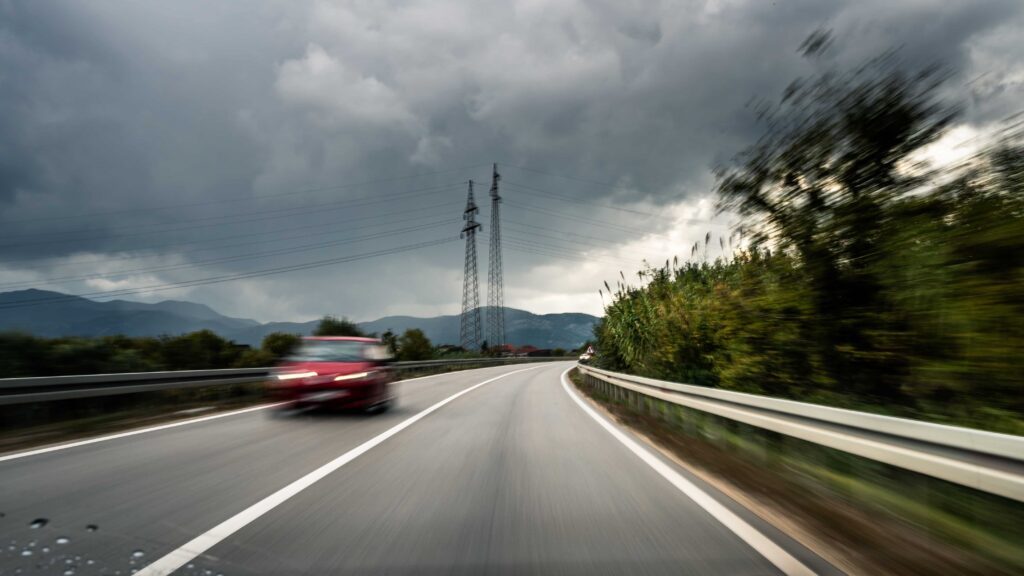
Understanding the difference between Nebraska’s driving offenses helps you protect your license, avoid costly penalties, and know when you might need legal representation. From speeding tickets to serious felonies like motor vehicle homicide, the state classifies traffic violations into distinct categories with varying consequences. Each type of offense carries specific fines, points, and potential license consequences that can impact your driving record, insurance rates, and even employment opportunities.
Quick Facts About Nebraska Driving Offenses
- Nebraska organizes driving offenses into three main categories: traffic infractions (fines and points only), misdemeanor offenses (potential jail time from Class W to Class I), and felony charges (prison sentences for the most serious violations)
- The state distinguishes between regular reckless driving and willful reckless driving, with willful reckless carrying more severe penalties, including potential felony charges for repeat offenses
- Chemical test refusal is a separate criminal offense that carries its own penalties in addition to administrative license revocation, regardless of whether you’re ultimately convicted of DUI
- Texting while driving is currently a secondary enforcement offense in Nebraska, meaning officers can only cite you if they stop you for another violation first
- The point system assigns different values to various offenses, with accumulation of 12 points in two years triggering automatic license suspension
Understanding Nebraska’s Traffic Violation Categories
Nebraska organizes driving offenses into distinct categories with escalating penalties and consequences. Understanding these classifications helps you recognize what you’re facing and when you need legal representation. The state’s approach balances public safety with proportionate punishments that escalate based on the severity of violations.
Traffic Infractions
Traffic infractions represent the least serious violations and typically involve fines and points without jail time. These include basic speeding tickets, failure to signal, and most equipment violations. While infractions seem minor, accumulating multiple violations can quickly lead to license suspension under Nebraska’s point system.
Most drivers handle infractions by paying fines, but this approach admits guilt and adds points to your record. Fighting infractions becomes worthwhile when you’re approaching point thresholds that might trigger license suspension.
Misdemeanor Traffic Offenses
Misdemeanor traffic offenses carry potential jail time and more serious long-term consequences. Nebraska classifies misdemeanors from Class W (least serious) to Class I (most serious):
- Class W Misdemeanor: First DUI/DWI offenses, chemical test refusal (first offense)
- Class III Misdemeanor: Reckless driving, willful reckless driving (first offense), some hit-and-run cases
- Class II Misdemeanor: Second reckless driving convictions, some leaving the scene cases
- Class I Misdemeanor: Third reckless driving convictions, motor vehicle homicide, serious hit-and-run offenses
These charges require court appearances and can result in jail sentences ranging from days to a full year, depending on the classification and circumstances.
Felony Traffic Charges
Felony traffic charges represent the most serious driving offenses and carry potential prison sentences. Class IIIA felonies include third-time chemical test refusal and some motor vehicle homicide cases. More serious felony classifications apply when deaths result from extremely reckless conduct or repeat dangerous driving patterns.
Felony convictions create lasting consequences beyond criminal penalties, affecting employment opportunities, professional licenses, and other life areas. The serious nature of these charges makes experienced legal representation critical for protecting your future.
Texting While Driving in Nebraska
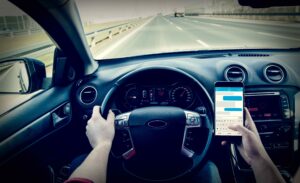
Nebraska prohibits using handheld wireless communication devices to read, manually type, or send written communications while operating a motor vehicle in motion. However, the state currently enforces this law only as a secondary offense, meaning officers can only cite you for texting while driving if they stop you for another violation first.
Texting while driving violations result in fines of $200 for first offenses, $300 for second offenses, and $500 for third and subsequent violations. Convictions also add 3 points to your driving record.
The law includes important exceptions for emergency services personnel performing official duties, drivers using devices during emergencies, and hands-free or voice-activated technology. GPS navigation systems and built-in vehicle electronics remain legal for all drivers.
Reckless vs. Willful Reckless Driving: Understanding the Difference
 Nebraska law creates two distinct levels of reckless driving based on the driver’s intent and the severity of their actions. Both charges are serious, but willful reckless driving carries enhanced penalties and longer license revocations. Understanding this distinction helps you grasp what you’re facing and why the specific charge matters for your case.
Regular Reckless Driving
Regular reckless driving involves operating a vehicle with “an indifferent or wanton disregard for the safety of persons or property.” This charge typically applies when drivers create dangerous situations through careless or negligent behavior without showing deliberate intent to endanger others.
Common examples include excessive speeding in traffic, aggressive lane changes, or following too closely at high speeds. First-time reckless driving results in Class III misdemeanor charges with potential fines and license revocation for 60 days to two years.
Willful Reckless Driving
Willful reckless driving requires “a willful disregard for the safety of persons or property,” meaning the driver intentionally engaged in dangerous behavior. This enhanced charge applies when evidence shows deliberate dangerous conduct rather than mere negligence or poor judgment.
First-time willful reckless driving carries Class III misdemeanor penalties with mandatory license revocation for 30 days to one year. The intentional nature of the conduct makes prosecutors and judges treat these cases more seriously than regular reckless driving.
Escalating Penalties for Repeat Offenses
Both reckless and willful reckless driving penalties escalate dramatically for repeat convictions. Understanding these progressive consequences helps demonstrate why avoiding additional violations becomes critical after any reckless driving conviction:
- Second Conviction: Class II misdemeanor with 60 days to two years license revocation, plus mandatory vehicle impoundment for two to twelve months
- Third Conviction: Class I misdemeanor with up to one year in jail and mandatory one-year license revocation
- Additional Penalties: Courts may impose fines, community service, and driving improvement courses
One cannot commit the greater offense of willful reckless driving without simultaneously committing the lesser offense of reckless driving; the only distinction between these offenses is intent. This relationship means willful reckless charges often include regular reckless driving as a lesser-included offense, providing negotiation opportunities for criminal defense attorneys.
What Happens if I Refuse a Breath, Blood, or Urine Test After a DUI Stop?
Nebraska’s implied consent law means anyone operating a motor vehicle is deemed to have given consent to chemical testing for alcohol or drugs. Refusing these tests creates a separate criminal charge with its own penalties, regardless of whether you’re ultimately convicted of DUI.
Criminal Penalties for Test Refusal
First-time chemical test refusal is a Class W misdemeanor carrying 7 to 60 days in jail, up to $500 in fines, and license revocation for up to one year. The Department of Motor Vehicles also imposes administrative license revocation that runs concurrently with any criminal penalties.
Repeat refusal offenses escalate quickly. Second refusal becomes a Class I misdemeanor with up to one year in jail and 18 months to 15 years license revocation. Third refusal elevates to a Class IIIA felony with even more severe consequences.
Administrative vs. Criminal Consequences
Refusing chemical testing triggers two separate legal proceedings that operate independently. The administrative license revocation begins immediately when you refuse, with officers typically confiscating your license and issuing a 15-day temporary permit. You can request a hearing to contest this revocation, but the hearing focuses only on whether you properly refused testing.
The criminal case proceeds through the court system separately and can result in additional jail time and fines beyond the administrative penalties. Both proceedings can result in license revocation, but they operate under different rules and timelines.
What Are the Consequences of Driving While Suspended or Revoked?
Driving while suspended or revoked represents a separate criminal offense that can result in additional license penalties and jail time. Nebraska treats driving during suspension periods as a serious violation demonstrating continued disregard for traffic laws and court orders.
Progressive Penalties
First-time driving while suspended typically results in misdemeanor charges with potential jail time, fines, and extension of the original suspension period. The specific penalties depend on the reason for the original suspension and the circumstances of the new violation.
Repeat offenses escalate quickly and can reach felony levels, particularly when the original suspension involved serious violations like DUI or reckless driving. Courts often impose consecutive rather than concurrent penalties, significantly extending the time before license reinstatement becomes possible.
License Reinstatement Requirements
Regaining driving privileges after suspension requires completing specific steps that vary based on the underlying violation:
- Serving the full suspension period without additional violations
- Paying all reinstatement fees and outstanding fines
- Providing proof of insurance meeting state minimum requirements
- Completing court-ordered driver improvement courses or treatment programs
- Installing ignition interlock devices for DUI-related suspensions
Some suspensions require court approval rather than automatic reinstatement, adding complexity to the restoration process. Professional legal assistance often proves valuable for navigating these requirements efficiently.
What Are Nebraska’s Penalties for Leaving the Scene of an Accident?
Nebraska law requires drivers involved in accidents to remain at the scene, provide information to other parties, and assist injured persons when possible. Leaving the scene of an accident, commonly called hit-and-run, carries penalties that escalate based on the severity of injuries and property damage involved.
Hit-and-run penalties depend primarily on whether the accident involved injuries or only property damage. Property damage cases typically result in misdemeanor charges, while injury accidents can trigger felony prosecutions with significant prison sentences and lengthy license revocations.
Courts treat hit-and-run cases seriously because leaving accident scenes prevents injured parties from receiving immediate medical attention and complicates insurance claims processing. Prosecutors often pursue enhanced penalties for defendants who attempt to evade responsibility for their actions.
What Is “Motor Vehicle Homicide” in Nebraska?
Motor vehicle homicide under Nebraska Revised Statutes § 28-306 represents the most serious driving-related criminal offense, involving deaths caused by negligent or criminal vehicle operation. The charge applies when someone’s driving conduct results in another person’s death, regardless of whether the driver intended to cause harm.
Motor vehicle homicide charges can arise from various scenarios, including impaired driving fatalities, excessive speeding accidents, reckless driving incidents, and hit-and-run collisions resulting in death. Prosecutors evaluate several factors when considering these charges:
- The driver’s level of impairment or intoxication at the time
- Speed and manner of driving before the collision
- Whether the driver attempted to flee the scene
- Prior traffic violations or criminal history patterns
- Evidence of intentional or extremely reckless behavior
The specific classification ranges from Class I misdemeanor to Class IIIA felony charges, depending on the circumstances and the driver’s mental state during the incident.
Motor vehicle homicide convictions carry potential prison sentences, lengthy license revocations, and lifetime consequences affecting employment, housing, professional licensing, and other opportunities. The serious nature of these charges makes legal representation critical for protecting defendants’ rights and futures.
How Many Driver’s License Points Do I Get for Common Offenses?
 Nebraska’s point system triggers automatic license suspension when drivers accumulate 12 or more points within a two-year period. Understanding point values for common violations helps you recognize when you’re approaching dangerous thresholds and need to modify your driving behavior or seek legal help.
The state assigns different point values based on violation severity and public safety impact. Here are some examples:
- Speeding violations: 2 points (6-10 mph over), 3 points (11-35 mph over), higher for extreme speeds
- Careless driving: 4 points
- Reckless driving: 5 points
- Willful reckless driving: 6 points
- Texting while driving: 3 points
- Most other violations: 1 point
Points are assessed against your driving record as of the date of the violation, not when the DMV becomes aware of it. This timing can be important for determining when violations count toward suspension thresholds.
Will a Traffic Conviction Raise My Insurance or Lead to a License Revocation?
Traffic convictions create both immediate and long-term financial consequences through insurance rate increases and potential license suspension. Understanding these impacts helps drivers make informed decisions about fighting charges versus accepting plea offers.
Insurance Rate Consequences
Insurance companies regularly review driving records and adjust premiums based on violation types and frequency. More serious offenses like reckless driving, DUI, and hit-and-run typically cause substantial rate increases that persist for several years. The cumulative cost often exceeds thousands of dollars beyond immediate fines and court costs.
Protecting Your Driving Privileges
Nebraska’s point system triggers automatic license suspension at 12 points within two years, but commercial drivers face additional federal disqualification rules that can effectively end driving careers for serious violations.
Several strategies may help, such as:
- Consulting attorneys about possible defenses or plea negotiations
- Attending driver improvement courses when available for point reduction
- Maintaining a clean driving record to demonstrate rehabilitation
- Understanding current point totals to avoid actions triggering suspension
- Shopping for insurance companies offering better rates for your situation
Proactive management of traffic violations could help preserve driving privileges and minimize long-term financial consequences. Professional legal assistance proves particularly valuable for serious charges threatening license suspension or career impacts.
FAQ for Different Driving Offenses in Nebraska
What Should I Do Immediately after Receiving a Traffic Ticket in Nebraska?
Read the ticket carefully and note all court dates. Then, consult with an attorney about possible defenses before simply paying the fine, which admits guilt.
How Long Do Points Stay on My Driving Record in Nebraska?
Points remain on your driving record for two years from the date of conviction, but the actual conviction may remain longer for insurance purposes.
Can I Get a Work Permit if My License Is Suspended in Nebraska?
Work permits are available for some suspension cases but not all, depending on the reason for suspension and your driving history.
What Happens to Out-of-State Drivers Who Get Tickets in Nebraska?
Out-of-state drivers face the same penalties as Nebraska residents, and most violations will be reported to your home state’s DMV.
How Do Commercial Drivers Face Different Consequences for Traffic Violations in Nebraska?
Commercial drivers face stricter federal standards and additional disqualification penalties that can effectively end driving careers, even for violations in personal vehicles.
Contact Liberty Law Group for Help with Your Traffic Charge
 Facing traffic charges in Lincoln or Omaha can feel overwhelming, especially when you’re unsure about potential consequences or available options. Liberty Law Group understands how driving violations can impact your life, career, and finances. Our criminal defense attorneys fight to protect your rights.
We handle all types of driving offenses throughout Lancaster and Douglas Counties, from basic speeding tickets to serious felony charges. Our team knows local prosecutors and courts, helping us develop effective defense strategies tailored to your situation.
Whether you’re facing your first ticket or dealing with repeat offenses that threaten license suspension, you need trusted advocates on your side. Contact Liberty Law Group today at (531) 249-5534 in Lincoln or (402) 865-0501 in Omaha to discuss your case and learn how we can help protect your driving privileges and your future.