




An underage DUI arrest in Lincoln, Nebraska creates immediate panic for students and parents alike. Nebraska enforces a zero-tolerance policy for drivers under 21, setting the legal limit at just .02 percent blood alcohol concentration—a threshold so low that a single drink or even mouthwash might trigger a violation.
An underage DUI conviction threatens college enrollment, scholarship eligibility, professional licensing, military service opportunities, and future employment prospects before adult life even begins. Liberty Law Group defends minors and young adults facing underage DUI charges in Lancaster County courts, challenging stop validity, testing procedures, and evidence integrity to protect their records and futures.
Contact Liberty Law Group’s Lincoln underage DUI defense attorney at (531) 249-5534 for a free consultation. Time-sensitive deadlines require fast action to protect your son’s or daughter’s future.
Liberty Law Group: Your Lincoln Underage DUI Defense

Liberty Law Group defends criminal charges across Nebraska with particular emphasis on cases affecting young people whose futures hang in the balance.
Our lawyers understand that an underage DUI arrest creates unique pressures. Academic standing, scholarship requirements, college disciplinary proceedings, professional program admissions, and parental expectations all collide simultaneously with criminal prosecution and license revocation. We work closely with students and their families to coordinate multiple proceedings while protecting long-term opportunities.
Strategic Defense for Students and Young Drivers
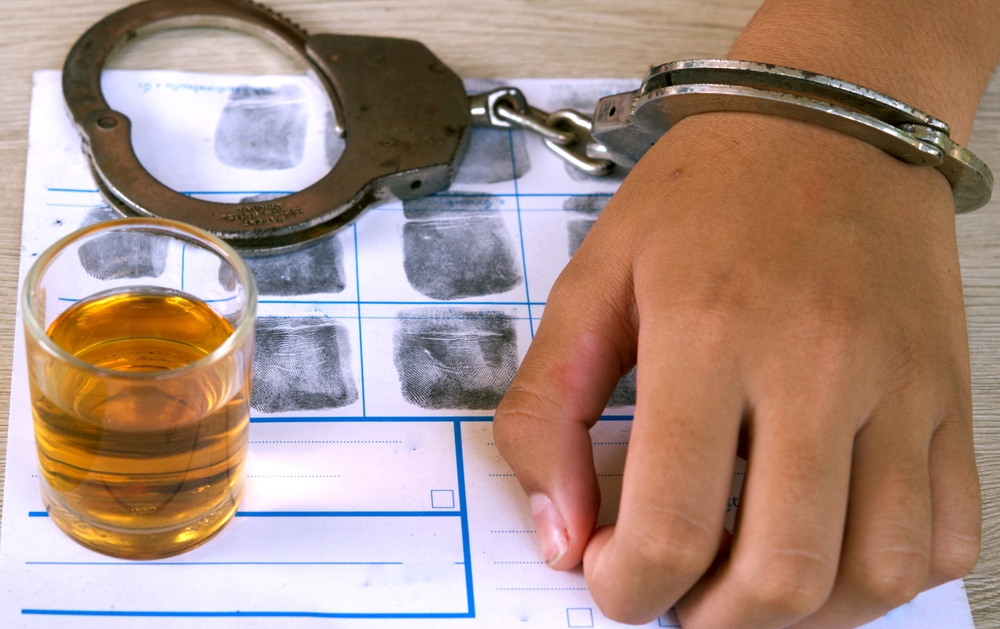
The firm handles both criminal prosecution in Lancaster County courts and administrative license revocation hearings before the Nebraska Department of Motor Vehicles. These proceedings operate independently, follow different rules, and impose separate consequences.
Liberty Law Group coordinates both defenses simultaneously, requesting license hearings within required deadlines, challenging evidence in both forums, and pursuing every available avenue to avoid conviction.
Proven Results in Underage DUI Cases
Liberty Law Group has successfully defended clients against DUI charges in Lancaster County through careful evidence review and identification of constitutional violations. In one recent case, the firm secured a complete dismissal of DUI charges after Attorney Eric Hagen identified numerous procedural, statutory, and constitutional issues in the State’s investigation. Rather than proceeding to a suppression hearing and trial, prosecutors disposed of the DUI charge and offered a minor traffic offense instead.
While past results do not guarantee future outcomes, the firm’s methodical approach to challenging stop validity, testing protocols, and investigative procedures creates opportunities for favorable resolutions in cases with evidentiary weaknesses.
Understanding Collateral Consequences
Beyond criminal penalties, underage DUI convictions create cascading consequences that affect education, employment, and professional licensing. Universities impose separate disciplinary proceedings that might result in suspension or expulsion regardless of criminal case outcomes.
Athletic programs revoke scholarships. ROTC programs terminate participation. Professional programs in nursing, education, pharmacy, and other licensed fields reject applicants with alcohol-related convictions. Future employers conduct background checks that reveal criminal records.
Our juvenile defense lawyers recognize that these collateral consequences often exceed the direct criminal penalties, making aggressive defense essential from the outset.
Accessible Representation When It Matters Most
The firm offers free consultations for underage DUI cases and works with families on flexible payment arrangements, recognizing that unexpected legal expenses create financial stress. During the initial consultation, the attorneys explain Nebraska’s underage DUI laws, review the specific facts of the stop and arrest, identify potential defense issues, and outline realistic options.
Call Liberty Law Group’s Lincoln office at (531) 249-5534 to discuss your underage DUI charge. The firm also maintains a contact form for clients who prefer written communication.
Nebraska’s Underage DUI Law
Nebraska statute § 60-6,211.01 prohibits drivers under age 21 from operating motor vehicles with blood or breath alcohol concentrations of .02 percent or more. This zero-tolerance standard differs dramatically from the .08 percent limit for drivers over 21.
A .02 percent BAC represents approximately one standard drink within the past hour for most individuals, though body weight, metabolism, food consumption, and other variables affect absorption rates.
Prosecutors need not prove impairment. The numerical test result alone establishes the violation.
Nebraska Underage DUI Penalties
Nebraska prosecutes underage DUI violations as Class W misdemeanors for first offenses. Repeat offenses within 15 years escalate to Class IV misdemeanors and eventually Class IIIA misdemeanors. While these classifications sound minor compared to standard DUI charges, they create permanent criminal records with serious collateral consequences.
Juvenile court handles cases involving drivers under age 18 at the time of offense, though prosecutors sometimes petition to transfer serious cases to adult court.
Criminal Penalties for First and Repeat Offenses
First-offense underage DUI convictions in Nebraska result in fines between $500 and $1,000, probation for up to one year, and mandatory completion of alcohol education or treatment programs. Courts typically impose community service requirements ranging from 20 to 60 hours. Jail sentences remain rare for first offenses without aggravating factors, though judges retain discretion to impose incarceration for serious cases.
Second offense underage DUI offenses result in increased fines of between $500 and $1,000, extended probation periods, and additional education requirements. Courts become less lenient regarding jail alternatives.
Third offenses within 15 years result in significantly enhanced penalties, including potential incarceration, longer probation terms, and stricter conditions.
Administrative License Sanctions
The Nebraska Department of Motor Vehicles imposes separate administrative sanctions that operate independently from criminal penalties:
- First violation: 60-day license revocation
- Second violation: One-year license revocation
- Third violation: 15-year license revocation
These administrative penalties apply regardless of the outcome of the criminal case. That means even if prosecutors dismiss the criminal charge, the DMV revocation remains in effect unless successfully challenged at an administrative hearing.
How Liberty Law Group Defends Lincoln Underage DUI Cases
Every underage DUI case contains potential defense opportunities from the initial traffic stop through chemical testing and arrest procedures. Liberty Law Group scrutinizes each phase of the investigation to identify constitutional violations, procedural errors, and evidentiary weaknesses that might result in suppression of evidence, charge reduction, or case dismissal.
- Challenging the Traffic Stop: Officers must possess reasonable suspicion of unlawful activity before initiating a traffic stop. Stops based on hunches, demographic profiling, or assumptions about underage drinking near college campuses violate constitutional protections and might result in evidence suppression.
- Scrutinizing Chemical Testing: At the .02 percent threshold, testing accuracy becomes critically important. Mouth alcohol contamination, medical conditions, device malfunction, and improper observation periods create reliability problems that defense attorneys challenge aggressively.
- Challenging Field Sobriety Testing: Field sobriety tests correlate with impairment at .08 percent and higher, not at .02 percent where physical impairment remains minimal. Nervousness, environmental conditions, and improper test administration produce unreliable results.
- Exposing Officer Credibility Problems: Body camera footage and squad car video frequently contradict officer testimony regarding underage driver appearance, speech, and field sobriety test performance, undermining the State’s case.
- Identifying Miranda Violations: Officers routinely ask incriminating questions without providing Miranda warnings. Young drivers unfamiliar with their rights answer truthfully, creating inadmissible statements if questioning occurred while in custody.
Collateral Consequences of Underage DUI Convictions
Underage DUI convictions create consequences extending far beyond criminal penalties and license suspensions. These collateral impacts affect education, employment, professional licensing, and life opportunities for years after case resolution.
License Revocation Timelines
First violations result in 60-day license revocations, second violations result in one-year revocations, and third violations result in 15-year revocations. These administrative penalties apply regardless of criminal case outcomes unless successfully challenged at ALR hearings.
Impact on College and University Status
Universities maintain separate student conduct codes that prohibit alcohol violations. Students face disciplinary proceedings that might result in probation, suspension, or expulsion. Athletic departments revoke scholarships, ROTC programs terminate participation, and study-abroad programs deny admission.
Professional Licensing and Career Consequences
Professional programs in nursing, education, pharmacy, law, and medicine conduct background checks and character assessments. Alcohol-related convictions create barriers to program admission and professional licensing, with state licensing boards evaluating criminal records when determining fitness to practice.
Employment and Military Service
Employers conduct criminal background checks that reveal DUI convictions. Positions involving driving, security clearances, or public trust responsibilities become difficult or impossible to obtain. Military service branches maintain strict standards regarding alcohol-related offenses that might disqualify applicants from enlistment.
Insurance Consequences
DUI convictions trigger dramatic insurance rate increases. Parents who carry underage drivers on family policies face premium increases that persist for years. Some insurers cancel policies entirely following DUI convictions, with high-risk insurance costing thousands of dollars annually.
What Parents and Students Should Do After an Underage DUI Arrest

Immediate action protects constitutional rights and preserves defense opportunities. Students and parents should take specific steps within hours of arrest to safeguard legal options and document critical evidence.
Invoke Constitutional Rights Immediately
Invoke the right to remain silent and request an attorney. Officers will ask questions designed to build evidence, and students have no legal obligation to answer these questions. Politely decline to answer and request a lawyer. Attempting to explain or cooperate without counsel creates recorded statements that prosecutors use at trial.
Do not consent to vehicle searches, phone searches, or other investigations beyond the traffic stop itself. If officers possessed legal grounds to search, they wouldn’t need consent. Declining consent protects Fourth Amendment rights and prevents the discovery of additional evidence.
Request License Hearing Within 15 Days
Request an administrative license revocation hearing immediately. The 15-day deadline arrives quickly, and missing it forfeits opportunities to challenge the license suspension. Even if you plan to hire an attorney, request the hearing yourself to preserve rights.
Your attorney can represent you at the hearing once retained.
Document Everything
Document all details about the stop and arrest while memories remain fresh. Note the stop location, time, weather conditions, what the officer said, field sobriety test instructions, footwear worn during testing, any medical conditions, medications taken, when the student last ate, and any other relevant details.
These observations assist attorneys in identifying defense issues and preparing for hearings and trial.
Avoid Social Media
Instruct students to avoid posting anything about the arrest, charges, or case on social media. Prosecutors monitor social media accounts and use posts as evidence. Photos, comments, or messages referencing drinking, partying, or the arrest create damaging evidence that undermines defense strategies.
Minimizing Underage DUI Consequences in Lincoln
Not every underage DUI case proceeds to trial, and not every conviction results in maximum penalties. Liberty Law Group pursues every available avenue to reduce charges, avoid conviction, or minimize long-term impacts on students’ educational and career prospects.
Pretrial Diversion and Deferred Prosecution
First-offense underage DUI defendants without aggravating factors sometimes qualify for pretrial diversion programs that allow conviction avoidance through completion of alcohol education, community service, and probation. Not all cases qualify, and defendants with prior criminal records, accidents, injuries, or elevated BAC levels typically face standard prosecution.
Successful completion of diversion programs results in case dismissal, avoiding conviction and preserving clean criminal records. This outcome protects college status, professional licensing eligibility, and employment prospects while still holding young offenders accountable through education and community service.
Charge Reduction Negotiations
Cases with evidentiary weaknesses might result in reduced charges through plea negotiations. Prosecutors sometimes agree to reduce underage DUI charges to minor in possession of alcohol, reckless driving, or other lesser offenses when evidence problems create trial risks.
Reduced charges carry lighter penalties and fewer collateral consequences, though any conviction creates record issues that require careful consideration.
Trial Defense
Trial remains appropriate when evidence fails to support charges or constitutional violations occurred. Prosecutors must prove guilt beyond reasonable doubt using credible, reliable, admissible evidence. When testing accuracy, stop validity, or officer credibility present significant problems, taking cases to trial protects constitutional rights and forces the State to meet its burden of proof.
FAQ for Lincoln Underage DUI Defense Attorney
Do I Need a Lawyer for an Underage DUI in Lincoln?
Underage DUI convictions create permanent criminal records that affect college status, scholarships, professional licensing, employment, and insurance rates. An attorney scrutinizes stop validity, testing procedures, and evidence to identify defense strategies that might result in charge dismissal, reduction, or diversion programs that avoid conviction.
Will an Underage DUI Stay on My Record in Nebraska?
Underage DUI convictions remain on criminal records permanently unless successfully set aside through pardon or set-aside proceedings. These records appear on background checks conducted by colleges, employers, professional licensing boards, and military recruiters, creating barriers to educational and career opportunities.
What Should Parents Do If Their Child Is Charged With an Underage DUI in Lincoln?
Contact an experienced underage DUI defense attorney immediately to discuss defense options and request license hearings within 15-day deadlines. Instruct your child to invoke the right to remain silent, avoid discussing the case on social media, and document all details about the stop and arrest while memories remain fresh.
Can I Get Into College With an Underage DUI on My Record?
An underage DUI conviction does not automatically disqualify applicants from college admission, but it complicates the process significantly. Most college applications ask about criminal history, and students must disclose convictions truthfully or risk rescission of admission offers. Avoiding conviction through pretrial diversion, charge reduction, or successful trial defense could eliminate these complications entirely.
Will My Parents’ Insurance Company Find Out About My Underage DUI?
Yes. Insurance companies receive notifications when policyholders or listed drivers are convicted of DUI offenses. This triggers dramatic premium increases that typically persist for three to five years. Parents should contact their insurance agent immediately after an arrest to understand potential financial impacts and explore options.
Secure Your Future With Experienced Underage DUI Defense

Parents and students facing an underage DUI arrest often have immediate questions for a criminal defense attorney about how the charge will impact education, licensing, and long-term opportunities. An underage DUI arrest threatens educational prospects, professional pathways, and life trajectories before adult life truly begins.
Liberty Law Group defends minors and young adults facing underage DUI charges in Lancaster County courts, scrutinizing stop validity, testing procedures, and evidence integrity to protect their records and futures. Our Lincoln underage DUI defense lawyer understands the unique pressures students face and coordinates defense strategies that address both criminal charges and collateral consequences.
The 15-day deadline for requesting license hearings approaches quickly, and missing it forfeits opportunities to preserve driving privileges. Contact Liberty Law Group immediately at (531) 249-5534 to schedule a free, confidential consultation and begin protecting your son’s or daughter’s future today.
Liberty Law Group – Lincoln Office
1201 O St #101,
Lincoln, NE 68508
P: (402) 645-0031