




One of the most common misunderstandings we hear in Pottawattamie County is that a domestic violence charge goes away if the other person decides not to press charges. Iowa law does not work that way, and the county attorney can move forward whether or not anyone asks them to.
If you were arrested in Council Bluffs, talking with a Council Bluffs domestic violence lawyer at Liberty Law Group early can shape everything that follows, from the no-contact order to the final outcome.
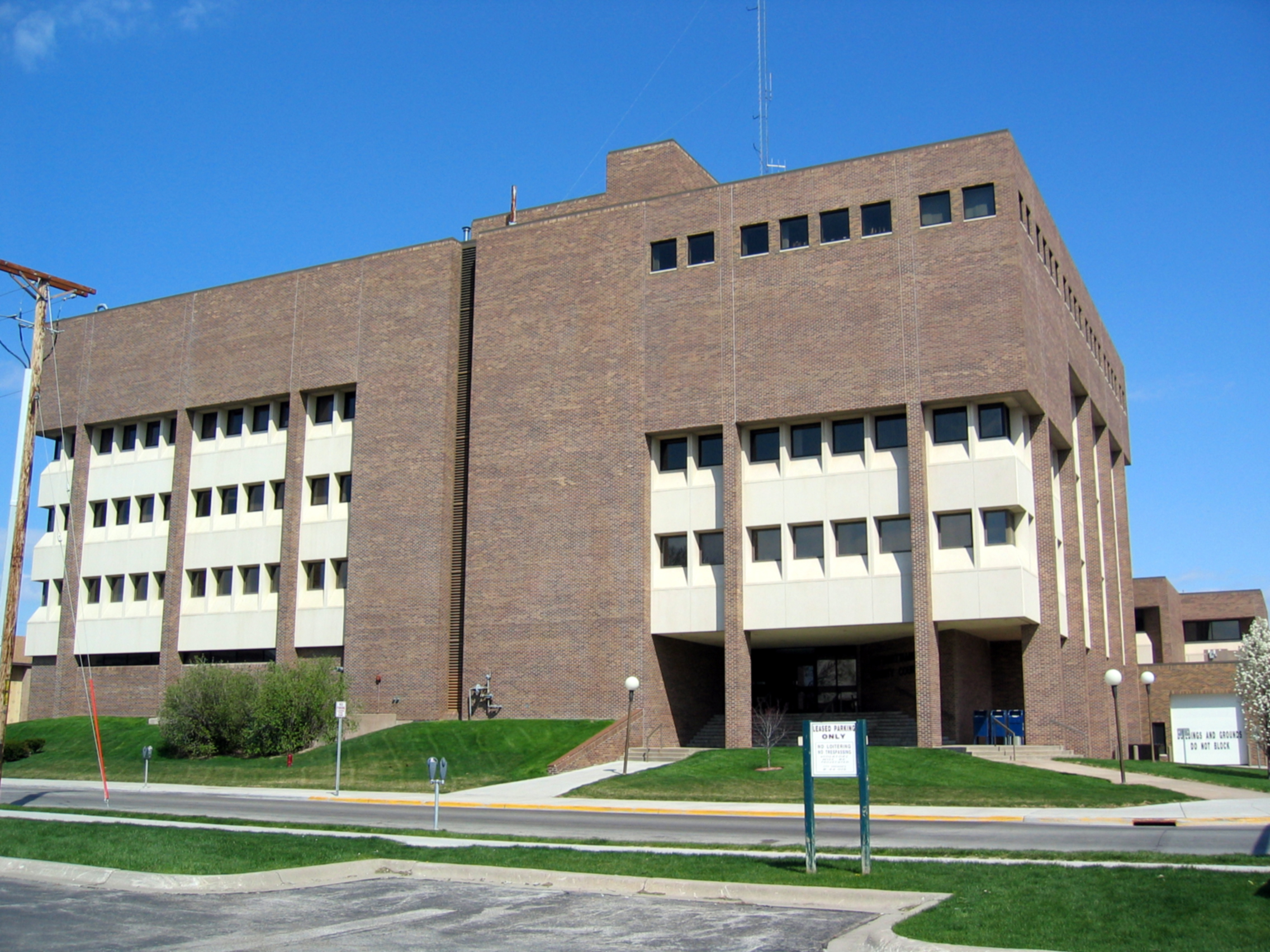
Our office sits just across the river in Omaha, minutes from the Pottawattamie County Courthouse, and our attorneys are licensed in both Iowa and Nebraska. Call (402) 865-0501 for a free consultation before your first court date, not after.
What Counts as Domestic Abuse Assault in Iowa?
Iowa does not actually use the phrase “domestic violence” in its criminal code; the charge is called domestic abuse assault under Iowa Code section 708.2A. It combines an assault, as defined in Iowa Code section 708.1, with a specific relationship between the people involved.
That relationship element covers more situations than many people expect, including:
- Spouses and former spouses
- People who live together now, or who lived together within the past year
- Parents of the same child, whether or not they were ever married
- People in a current intimate relationship
An argument with a roommate you once dated can land in the same legal category as a dispute between spouses. Because the assault definition includes acts intended to cause pain or offensive contact, and even some threats, a charge can be filed without any visible injury.
This is why the details matter so much. Two people can describe the same evening completely differently, and the version written in the police report is rarely the whole story.
Penalties for Domestic Abuse Assault in Council Bluffs
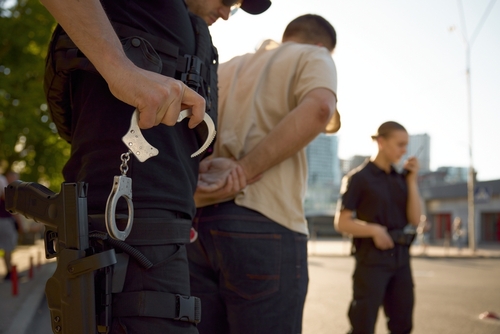
The penalty range depends on the circumstances and on your record. Under Iowa law, the same basic charge can be filed at several different levels.
A first offense with no injury is generally a simple misdemeanor, punishable by up to 30 days in jail. If the other person suffered a bodily injury, the charge becomes a serious misdemeanor with up to one year in jail.
A second offense moves up the scale depending on how the first was charged, and a third or subsequent offense is a class D felony carrying up to five years in prison.
Iowa charges domestic abuse assault by strangulation as its own offense, an aggravated misdemeanor without bodily injury, and a class D felony with it. An assault involving a dangerous weapon or an intent to inflict serious injury is also a class D felony.
Iowa also builds in consequences that catch people off guard. A conviction requires a minimum of two days in jail, even for a first offense, and the court must order participation in a batterer’s treatment program.
Under federal law, 18 U.S.C. section 922(g)(9) makes it a crime to possess a firearm after a qualifying domestic violence conviction.
The word qualifying carries weight. Federal law reaches convictions involving a spouse, a cohabitant, a co-parent, or a dating partner, and the prohibition is lifetime in every category except dating-partner cases, where a single conviction can stop disqualifying a person five years after the sentence is complete.
For hunters, gun owners, and anyone serving in the military or law enforcement, that firearm prohibition can outlast every other penalty. It is one of the biggest reasons a Council Bluffs domestic violence lawyer will urge you to treat even a simple misdemeanor charge seriously from the start.
How Do No-Contact Orders Work in Iowa?
A criminal no-contact order usually goes into effect at your initial appearance, often within 24 hours of arrest, under Iowa Code chapter 664A. The order typically bars all contact with the protected person and can remove you from a shared home in Council Bluffs, even if your name is on the lease or mortgage.
These orders create immediate, practical problems. You may need to arrange to retrieve clothing, tools, or medication with a law enforcement escort, and parenting time often has to be restructured overnight. A separate civil protective order under Iowa Code chapter 236 can add its own restrictions on top of the criminal case.
Violating a no-contact order carries its own consequences, and the order restricts you even if the protected person invites the contact. Under Iowa Code section 664A.7, a violation can be punished as contempt, and a domestic abuse no-contact order carries a mandatory minimum of seven days in jail that cannot be suspended or deferred.
A text message answered, a phone call accepted, or a quick stop at the house is enough. Courts can modify or lift these orders in some situations, and requesting a modification the right way is often one of the first things we work on.
What Should You Do After a Domestic Violence Arrest in Council Bluffs?

The most important steps are to stay silent about the incident, follow the no-contact order exactly, and contact a Council Bluffs domestic violence lawyer before your case moves past the initial appearance. Decisions made in the first week shape the options that are still available months later.
Start with these priorities:
- Do not discuss the incident with police, family, or anyone on social media
- Comply with every bond condition, even the ones that feel unfair
- Write down your own account of the evening while your memory is fresh
- Gather names of witnesses, along with any texts, photos, or videos from that night
- Keep every court document and deadline in one place
None of this requires admitting anything, and all of it strengthens whatever defense your case supports. Jail calls in Pottawattamie County are recorded, so the case should never be discussed on those lines either.
People often feel pressure to explain themselves to officers or to reach out to the other person to smooth things over. Both instincts are understandable, and both tend to make cases harder to defend. A Council Bluffs domestic violence lawyer can communicate on your behalf without creating new evidence against you.
Can Charges Move Forward If the Other Person Wants Them Dropped?
Yes, and in Iowa, they usually do. Once an arrest is made, the case belongs to the State of Iowa, not to the person named in the report, so the Pottawattamie County Attorney’s Office decides whether the prosecution continues.
Domestic cases are commonly built to stand on the evidence alone, without the complaining witness’s participation. The file typically includes 911 recordings, body camera footage, photographs, medical records, and statements made at the scene.
A witness who recants, meaning they take back or change an earlier statement, does not end the case. Pressuring someone to change their account can create new criminal exposure for everyone involved.
We approach these cases without judgment toward anyone. Relationships are complicated, arrests often happen on the worst night of two people’s lives, and our role is to make sure the legal process treats you fairly, not to vilify the person on the other side of the report.
Defending Domestic Violence Charges in Pottawattamie County

Every defense starts with the facts, and domestic cases tend to have more factual disputes than almost any other charge we handle. As Council Bluffs domestic assault attorneys, we look closely at what the evidence actually supports rather than what the initial report assumed.
Depending on the circumstances, defense strategies may include:
- Self-defense or defense of another person under Iowa’s justification laws
- Challenging whether the relationship element of section 708.2A is actually met
- Disputing injury claims that lack medical documentation
- Exposing inconsistencies between 911 calls, written statements, and testimony
- Moving to suppress statements taken in violation of your rights
- Negotiating amended charges that avoid the domestic designation and its firearm consequences
Not every option fits every case, and no attorney can promise a particular result. What we can do is prepare each case as if it will be tried, which is a different posture to negotiate from than a file that has never been worked up for a Pottawattamie County jury.
Domestic charges also rarely travel alone. An arrest that starts with a traffic stop or a night out may include OWI defense issues, and disputes at home sometimes generate related counts like criminal mischief or interference. Our broader Council Bluffs criminal defense practice lets us handle every charge from the same incident under one strategy.
A Defense Team Built for Both Sides of the River
Council Bluffs sits in a two-state metro, and legal trouble here often crosses the Missouri River with you. Liberty Law Group is licensed in both Iowa and Nebraska, which matters when you live in one state, work in the other, or face consequences that follow you across the bridge.
Here is what we bring to Iowa domestic abuse defense in Council Bluffs:
- Attorneys who appear in the Pottawattamie County District Court and know its judges, prosecutors, and procedures
- Experience in both state and federal courtrooms across Iowa and Nebraska
- Thorough independent investigation, not just a review of the police report
- Direct, honest communication about your realistic options at each stage
Being minutes from the courthouse means we can move quickly when a no-contact order needs attention or a hearing gets scheduled on short notice. Our Pottawattamie County defense work covers Council Bluffs, Carter Lake, Avoca, and the surrounding communities of western Iowa.
If you want a straight assessment of your case from a Council Bluffs domestic violence lawyer, call (402) 865-0501 and get answers in a free, confidential consultation.
FAQs: Council Bluffs Domestic Violence Lawyer
What happens at my first court appearance in Pottawattamie County?
The initial appearance usually happens within 24 hours of arrest, often by video from the jail. The judge sets bond conditions and enters the no-contact order, and you are not expected to argue your case there. Everything you say is on the record, so having counsel involved before you speak matters.
What should I do if the protected person keeps contacting me?
Do not respond, even to say you cannot talk. The no-contact order restricts you, not them, so their messages do not permit you to reply. Save the messages, tell your attorney, and let the court address any needed changes to the order.
Will a domestic abuse assault conviction affect my job or professional license?
It can. Convictions appear on background checks, and licensed professionals such as nurses, teachers, CDL drivers, and childcare workers may face reporting requirements or board review. Because Iowa allows expungement for only a narrow set of convictions, the outcome of the original case carries long-term weight.
What if the incident happened in Nebraska, but I live in Council Bluffs?
Your case will be handled in the state where the alleged offense occurred, and Nebraska charges follow Nebraska law rather than Iowa’s domestic abuse assault statute. Because we are licensed in both states, we can represent you on either side of the river and account for how a conviction in one state affects you in the other.
Do I really need a lawyer for a first offense, simple misdemeanor?
The charge level understates what is at stake. Even a simple misdemeanor conviction under section 708.2A carries mandatory jail time, a batterer’s treatment requirement, and, where the conviction qualifies under federal law, a firearm prohibition. Those consequences justify a serious defense regardless of how minor the charge sounds.
How long will my case take?
Most misdemeanor domestic cases in Pottawattamie County resolve within a few months, while felony charges can take considerably longer. Timelines depend on the court’s schedule, the evidence, and whether the case proceeds to trial. We keep clients informed of each date so nothing catches them by surprise.
Can the case be dismissed before trial?
Some cases are dismissed or amended when the evidence does not hold up, though no dismissal can be promised. A suppression motion, which asks the court to exclude unlawfully obtained evidence, along with witness problems and factual disputes, shapes how the county attorney evaluates a file. Early defense work gives those issues the best chance to surface.

The No-Contact Order Is Already Working Against You. Your Defense Should Be Working, Too
From the moment of arrest, deadlines and conditions are running whether you act or not. The State of Iowa began building its case the night the police arrived, and every day without counsel is a day that work goes unanswered.
Liberty Law Group defends people accused of domestic abuse assault in Council Bluffs and throughout western Iowa with preparation, honesty, and zero judgment about how you got here. Call our team at (402) 865-0501 or reach out online to schedule your free consultation with a Pottawattamie County domestic violence lawyer today.
Liberty Law Group – Omaha Office
13321 California St, Suite 300,
Omaha, NE 68154
P: (402) 865-0501