






One rule shapes every Iowa criminal case: the State has to prove every element of every charge beyond a reasonable doubt, and you have to prove nothing. That burden is the entire game, and a Council Bluffs criminal defense lawyer who knows how to press it changes what a case looks like from the inside.
At Liberty Law Group, pressing that burden is the core of our work in the Pottawattamie County District Court.
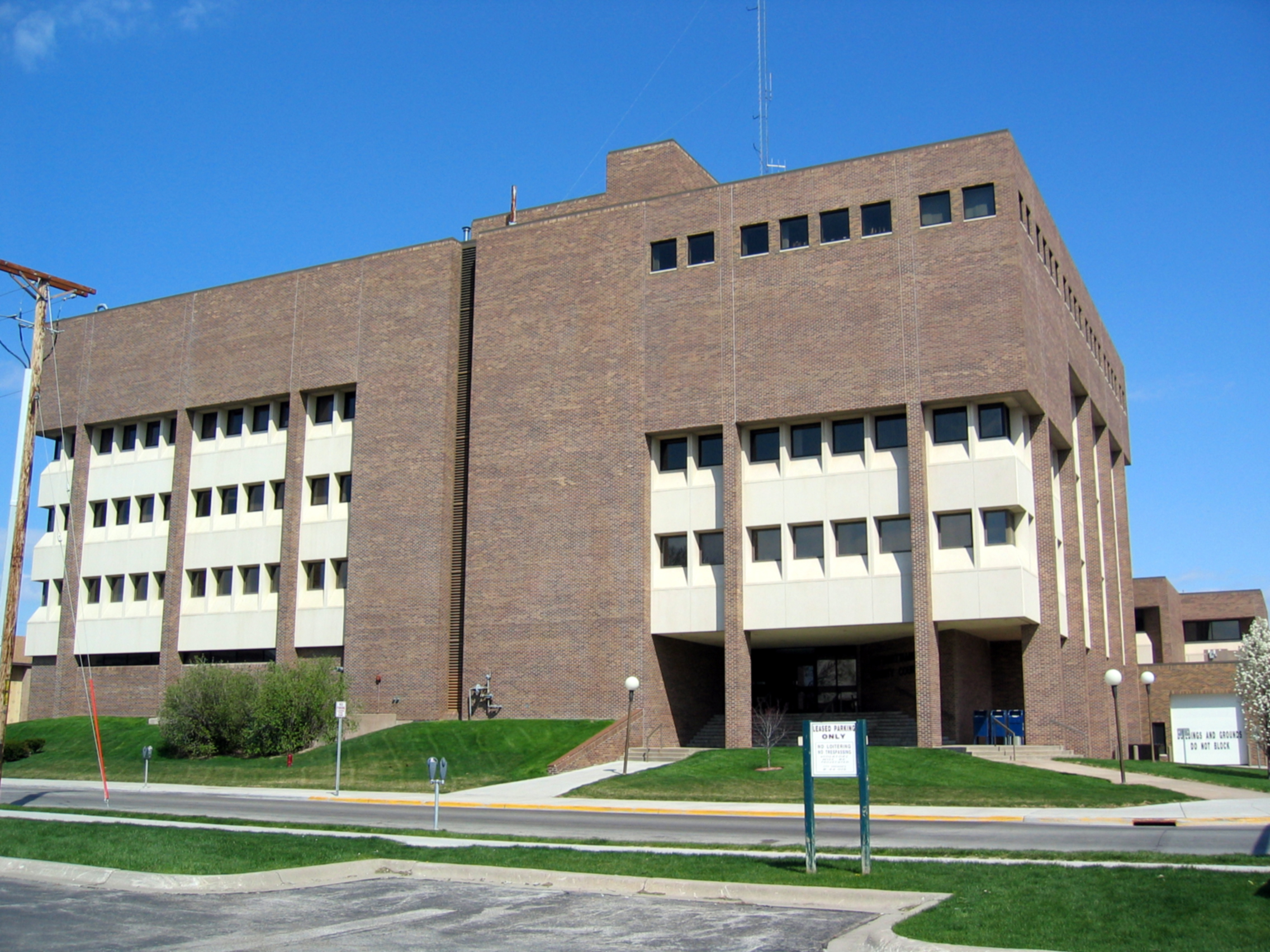
Our attorneys are licensed in both Iowa and Nebraska, and our Omaha office sits just across the Missouri River from the Pottawattamie County Courthouse at 227 South Sixth Street. If you or someone you love has been arrested, call (402) 865-0501 for a free consultation before making any decisions about the case.
Criminal Charges We Defend in Council Bluffs
We defend the full range of criminal charges filed under Iowa law, from simple misdemeanors resolved in weeks to felony trials that take a year to prepare. The charge determines the stakes, but the approach never changes: independent investigation, constitutional scrutiny, and preparation that assumes a jury will hear the case.
Charges we regularly handle include:
- OWI charges in Council Bluffs, from first offenses through felony-level cases under Iowa Code chapter 321J
- Iowa drug charges, including possession, intent to deliver, and interstate trafficking under Iowa Code chapter 124
- Domestic abuse, assault, and violation of no-contact orders
- Assault and violent crimes, from simple assault to robbery and homicide
- Theft, burglary, and property crimes under Iowa Code chapter 714
- Weapons charges and firearm offenses
- Sex offenses, which carry registry consequences that demand early attention
- Juvenile matters, probation violations, and appeals
Each of those categories carries its own statutes, defenses, and procedural traps, and the right approach depends heavily on which one you are facing. What they share is this: the earlier the defense starts, the more options stay open.
We also want to say something plainly, because people arrested for the first time need to hear it. Being charged does not make you a bad person, and we will not treat you like one.
What Happens After an Arrest in Pottawattamie County?
The first formal step is an initial appearance before a judge, generally within 24 hours of arrest, where bond and release conditions are set. This hearing is fast, it is on the record, and it is not the place to explain your side, which is exactly why having counsel involved this early pays off.
Release conditions matter more than most people expect. Judges can impose cash bond, supervised release, no-contact orders, travel limits, and testing requirements, and those conditions shape your life for the months the case takes. Arguing for reasonable conditions at the first hearing, or moving to modify them soon after, is often our first fight.
Families calling from the Pottawattamie County Jail lobby usually have the same two questions: how do we get them out, and how fast? The honest answers depend on the bond amount, whether a bondsman or cash posting makes sense, and whether a modification motion would move faster than either option.
A Council Bluffs criminal defense lawyer familiar with these hearings can walk you through the available routes and what each one realistically requires.
For serious charges, Iowa provides a preliminary hearing where the State must show probable cause, though prosecutors usually bypass it by filing a formal charging document called a trial information. Unlike many states, Iowa rarely uses grand juries for state charges, so the trial information is what officially launches most felony prosecutions in Council Bluffs.
How Does a Criminal Case Move Through the Iowa Courts?
After charging comes arraignment, where you enter a plea and the case enters the pretrial phase, which is where most criminal cases are actually won or lost. The Iowa Judicial Branch outlines the formal stages, but the strategic work happens between the hearings.
Iowa gives defendants a tool most states do not: depositions. Under Iowa Rule of Criminal Procedure 2.13, the defense can depose the witnesses the State lists in its minutes of testimony, question them under oath on the record, and lock in their accounts months before trial.
Used well, depositions expose weak cases early, and they are a core part of how we prepare every serious charge.
Iowa’s speedy-trial deadlines move quickly. Under Iowa Rule of Criminal Procedure 2.33, the trial information must generally be filed within 45 days of arrest, and the trial must begin within 90 days of the information unless the defendant waives that right or the court finds good cause.
Whether to demand speed or waive it is a strategic decision we make together, based on what helps your case rather than the court’s calendar.
The pretrial phase typically includes:
- Discovery of the State’s evidence, including reports, videos, and lab results
- Depositions of key witnesses
- Motions to suppress unlawfully obtained evidence or statements
- Negotiations with the Pottawattamie County Attorney’s Office
- Preparation of defense witnesses and exhibits for trial
Most cases resolve before trial, but the cases that resolve well are the ones prepared as if trial were certain. Negotiating from a file that is trial-ready is a different conversation than negotiating from one that is not, and that is the position we work to be in as a Council Bluffs criminal defense attorney.
Misdemeanors and Felonies in Iowa

Iowa sorts crimes into three misdemeanor levels and four felony classes, and the label on your charging papers sets the ceiling on what you are facing. Understanding that the ceiling is the first step toward realistic decisions.
On the misdemeanor side, a simple misdemeanor carries up to 30 days in jail, a serious misdemeanor up to one year, and an aggravated misdemeanor up to two years.
Under Iowa Code section 902.9, felonies climb from a class D felony at up to five years, to class C at 10 years, class B at 25 years, and class A carrying life imprisonment. A narrow set of large-quantity drug offenses under Chapter 124 carries an enhanced class B term of up to 50 years.
Prior convictions can also raise the stakes through Iowa’s habitual offender law at Iowa Code section 902.8, which applies to a class C or class D felony when the defendant has twice before been convicted of a felony.
The enhancement carries a 15-year maximum with three years served before parole eligibility. Whether a prior actually qualifies is a technical question, and challenging a bad enhancement is sometimes the most valuable work in the whole case.
Those numbers understate the real consequences. Convictions bring fines and surcharges, probation or parole conditions, firearm prohibitions, immigration exposure, professional license problems, and background check results that follow you for years. A defense that only counts jail days is measuring the wrong thing, and we build a strategy around your whole life, not just the sentencing range.
Why Do Constitutional Rights Decide So Many Cases?
Because most criminal cases rise or fall on evidence, and the Constitution controls how the government is allowed to get it. When police cross those lines, courts can suppress what they found, and cases built on suppressed evidence tend to collapse.
The Fourth Amendment governs stops, searches, and seizures, and it drives more suppression litigation than any other issue we handle. Traffic stops extended without justification, searches beyond the scope of consent, and warrants built on thin affidavits are the fights that most often decide these cases.
The Fifth and Sixth Amendments add protection for your statements and your right to counsel, so interrogations conducted without proper warnings face challenges, too.
This is not a technicality game. These rights exist because the government’s power to arrest, search, and imprison people needs limits, and enforcing them is the oldest job a Council Bluffs criminal defense lawyer has. We take that job seriously, in every case, at every level of charge.
When Cases Go Federal
Some arrests in this corridor end up prosecuted by the United States rather than Pottawattamie County, particularly interstate drug cases, firearm offenses, and fraud allegations. Federal cases proceed in the U.S. District Court for the Southern District of Iowa under different rules, different sentencing guidelines, and far less forgiving timelines.
The transition point matters enormously. Decisions made in the first days, before anyone knows which system will claim the case, can shape the sentencing exposure by years. Liberty Law Group practices in both state and federal courts across Iowa and Nebraska, so a case that changes jurisdiction never requires changing lawyers mid-fight.
Federal experience also sharpens state-court work. The preparation standards federal litigation demands carry over into everything we file in state court, from discovery motions to trial exhibits.
How We Build a Defense Case

Police reports tell one story, written by one side, usually within hours of an arrest. A Council Bluffs criminal defense lawyer who accepts that story as fact has already lost, so our first move in every serious case is independent investigation.
That work is concrete, not a slogan. We send preservation letters so squad car and body camera footage does not get purged on a retention schedule.
We visit scenes, photograph sight lines, pull 911 audio, and interview witnesses who were not contacted during the initial investigation. We also review the lab procedures behind every test result, because chain of custody gaps and documentation problems are worth checking in every case.
Then we pressure-test the State’s case the way a prosecutor would. Every element of the charge gets matched against admissible evidence, and every gap becomes either a suppression motion, a deposition target, or trial material.
By the time we sit down with the county attorney, we know the file in detail, and that changes the shape of the conversation.
Clients see this work, too. You will know what the evidence shows, what our investigation found, and what your realistic paths are at every stage, because informed clients make better decisions than reassured ones.
Can a Criminal Case Be Resolved Without a Conviction?
Yes, several Iowa mechanisms can end a case without a conviction on your record, and identifying your eligibility early is a core part of our strategy. The right resolution depends on the charge, your history, and the strength of the evidence.
The main paths include:
- Dismissal, when suppression rulings or proof problems gut the State’s case
- Deferred judgment under Iowa Code section 907.3, where an eligible defendant pleads guilty, completes probation, and no conviction is ever entered on the record
- Amended charges that avoid the most damaging label, such as the domestic designation or a drug conviction’s collateral consequences
- Acquittal at trial, when the case needs to be tried
Not every path is open in every case, and no Pottawattamie County criminal lawyer can promise which one yours will follow. What preparation does is keep the most doors open for the longest time, because options close permanently once a plea is entered.
This is also why speed without strategy is dangerous. The system is happy to resolve your case quickly, on its terms, and the difference between a fast plea and a considered one can follow you for decades.
Why Hire Liberty Law Group as Your Council Bluffs Criminal Defense Lawyer?

Because geography, licensing, and preparation all line up here in a way few firms can match. We are minutes from the Pottawattamie County Courthouse, licensed on both sides of the river, and built for the two-state lives that metro-area clients actually live.
What that looks like in practice:
- Regular appearances in the Pottawattamie County District Court, with working knowledge of its judges, prosecutors, and procedures
- Iowa and Nebraska licensure for clients whose arrest, home, and job sit in different states
- State and federal court experience across both states
- Independent investigation on every serious case, never just a read-through of the police report
- Honest assessments, transparent fees, and zero judgment about the charge
We measure ourselves on preparation and candor, not promises that no ethical lawyer can make. If your case is defensible, we will show you exactly how, and if it is not, we will tell you that too and fight for the best available outcome. Call (402) 865-0501 to put a criminal defense lawyer in Council Bluffs, Iowa, on your side today.
FAQs: Council Bluffs Criminal Defense Lawyer
Should I answer police questions if I have not been charged with anything?
You have the right to remain silent before charges exist, and that is usually when it protects you most. Interviews often happen while the charging decision is still open, and what is said in them can affect that decision. Politely declining and calling a lawyer first costs you nothing.
Can I switch from a public defender to a private lawyer after my case starts?
Yes, you can retain private counsel at most stages, though substitution requires the court’s approval and gets harder as trial approaches. The court weighs the timing and whether the change would delay the case. The earlier a switch happens, the more of the pretrial phase your new lawyer can use.
Can my bond be reduced after the initial appearance?
Often, yes, through a motion asking the court to reconsider the amount or conditions. Judges weigh flight risk, community ties, employment, and the nature of the charge. Presenting that picture properly, with documentation, gives a reduction request its best chance.
Will my case actually go to trial?
Most criminal cases resolve through negotiation or dismissal rather than trial, but nobody can tell you which category yours falls into at the start. Our approach is to prepare every case for trial and let the State’s evidence determine the path. Preparation is what keeps the realistic options open.
Can a conviction be expunged in Iowa?
Iowa’s expungement law is narrow. Iowa Code section 901C.3 covers a limited set of misdemeanor convictions after a waiting period and expressly excludes several offenses, including OWI. That makes the original outcome of the case decisive, which is a strong argument against pleading quickly just to be done.
What if I live in Nebraska or another state?
Iowa keeps jurisdiction over offenses charged here, but much of a case can often be handled without repeated trips. We represent Omaha residents and out-of-state clients, appear on their behalf where the rules allow, and manage the cross-border license and record consequences. Distance is a logistics problem, not a defense problem.
How much does a criminal defense lawyer cost in Council Bluffs?
Fees depend on the charge level, the evidence, and whether the case is headed toward trial, and we put the quote in writing at the consultation. The consultation is free, so you get real numbers before committing. Weighing that against what a conviction carries over the following years is fair to do first.

The Speedy-Trial Clock Is Already Running. Make It Work for You
Iowa’s deadlines run on a short clock, and every week of it should be spent building your defense rather than waiting to find a lawyer. Evidence gets preserved early or lost forever, and the burden of proof only helps the defendant who makes the State carry it.
Liberty Law Group has been serving Pottawattamie County and the western Iowa communities around it from just across the river, in courtrooms from initial appearance through appeal. Call (402) 865-0501 or contact us to schedule your free consultation with a Council Bluffs criminal defense lawyer today.
Liberty Law Group – Omaha Office
13321 California St, Suite 300,
Omaha, NE 68154
P: (402) 865-0501