 The first notice of an investigation may be a request for a phone, an interview, or an order to avoid contact with someone. Liberty Law Group represents people accused of criminal sex offenses in Pottawattamie County and Western Iowa. A Council Bluffs sex crimes lawyer can protect your rights, examine the evidence, and address the possibility of registry consequences.
A person accused of sexual misconduct in Council Bluffs may want to explain everything immediately. Yet messages, timing, consent, and the exact Iowa charge need to be understood before a statement is made.
We approach these matters discreetly and without judgment. Our Council Bluffs criminal defense lawyer team is licensed in Iowa. Call our Omaha office at (402) 865-0501 for a free initial consultation, available 24/7.
What does Iowa call sexual abuse offenses?
 Iowa Code Chapter 709 uses sexual abuse in the first, second, and third degree for defined criminal offenses. That language is different from Nebraska’s sexual assault degree scheme. We identify the precise Iowa section, alleged act, and circumstance before assessing penalties or defenses. A broad phrase in a police report is not a substitute for the charged elements.
Iowa Code § 709.1 defines sexual abuse in terms of a sex act under specified circumstances. The degree depends on additional statutory elements. Second-degree sexual abuse and third-degree sexual abuse are serious felony allegations with distinct requirements. First-degree allegations involve still different elements under § 709.2. We review the current law and the date of the alleged conduct, because legal definitions and penalties may change.
The question may involve whether an act occurred, the identity of a participant, force or threat, capacity to consent, age, or another statutory circumstance. We examine what can be proved rather than assuming any one issue resolves the case. The state bears the burden of proving the charged offense beyond a reasonable doubt in criminal court.
Is Iowa’s third degree the same as Nebraska’s third degree?
No. The states have separate statutes and definitions. Our Nebraska discussion of Nebraska sexual assault degrees can help explain that state’s framework, but it should not be used to interpret an Iowa charge. We apply Iowa Chapter 709 to a Council Bluffs case.
Does an accusation automatically lead to a charge?
No. Investigators may gather interviews, digital evidence, and records before a prosecutor decides whether to file. Early legal advice can help preserve evidence and prevent an uninformed interview. A person should not contact the accuser or witnesses to try to resolve the matter privately, especially if a protective or no-contact order exists.
Which sex offense allegations do we defend?
 Our criminal defense work may involve sexual abuse allegations, statutory age-related offenses, exploitation or image-related allegations, and related charges under the applicable Iowa law. We do not use one generic defense for all of them. Different provisions may require proof of a sex act, age, knowledge, coercion, possession, distribution, or use of a device.
A case involving digital messages may turn on account attribution and whether a conversation is complete. A case involving an encounter may turn on chronology, capacity, physical evidence, or witness observations. When several charges arise from one incident, we analyze each independently. We also account for whether a university or workplace process runs alongside the criminal investigation.
We represent the accused in criminal defense matters. This page does not offer civil representation to people bringing sexual abuse claims. That scope matters because the legal obligations and goals of the two kinds of cases are fundamentally different.
What if the alleged conduct involved a minor?
Age-based offenses have technical elements and severe consequences. We verify dates of birth, the charged provision, and the exact alleged conduct. Do not assume that a claimed relationship, apparent age, or past communication answers the legal question. We explain the applicable Iowa statute and investigate the facts carefully.
Can a digital image allegation be a separate charge?
Yes, depending on what the image depicts, how it was obtained, and the alleged possession or sharing. State or federal law may be relevant. Preserve devices and account information, but do not forward or download potentially unlawful material to try to prove a point. We can arrange a lawful evidence review and address search-warrant issues.
How do we examine evidence in a sexual abuse investigation?
 We establish a timeline from complete messages, call logs, location information, witness accounts, and available physical evidence. A screenshot can omit preceding consent discussions or later context, but it can also reveal an inconsistency that must be confronted. We seek original records and metadata when possible, and compare accounts without harassing any participant.
Medical or forensic evidence may be important, but its meaning depends on what was collected, when, and what it can actually establish. We review chain of custody, laboratory methods, and the limits of any conclusion. Lack of a particular item of evidence is not a universal defense; each case requires its own analysis.
We also review police interviews and searches. Was a statement recorded? Was a device seized under a warrant, consent, or another asserted basis? Did the search stay within lawful limits? Constitutional challenges depend on the facts, and we discuss them after obtaining the record. We never promise that a motion will end a case before examining it.
Should I speak to investigators to clear my name?
You may ask for an attorney before a substantive interview. An investigator can be gathering evidence even when the conversation feels informal. Do not lie, delete messages, or ask others to change their accounts. Contact counsel, preserve the full record, and decide on a response with an understanding of the allegations.
What if the two accounts are very different?
We test each account against time-stamped records, witness opportunity to observe, prior and later statements, and the charged statutory elements. Credibility is not decided by a slogan. We prepare to address both favorable and unfavorable facts and to identify where the state lacks proof.
What are Iowa sex offender registry consequences?
 An Iowa conviction for a qualifying offense can bring registration under Iowa Code Chapter 692A. Whether registration applies, the tier and reporting duties, and how long it lasts depend on the offense and other factors. Under § 692A.106, a baseline period can be ten years, while other circumstances can extend it, including life registration in specified cases. The statute contains exceptions and cross-references, so no one should infer a personal obligation from a short summary.
Registry rules can affect residence, employment, travel, education, and reporting across state lines. A Nebraska resident charged in Iowa should understand both jurisdictions’ requirements and the effect of any proposed plea before accepting it. We analyze the exact offense and disposition, including any special sentence or other collateral consequence, with the client.
Does every sex-related allegation require registration?
No. Registration depends on a qualifying conviction or other applicable legal trigger, not merely an accusation. The exact charge and resolution matter. We examine the statute and explain the risk early, because a plea that sounds limited in court may have lasting reporting consequences.
Can the registry period be shortened?
Iowa law provides limited routes and conditions in particular circumstances. Eligibility is highly fact specific. We avoid promising removal and review the actual conviction, tier, history, and statutory requirements before discussing a petition or other option.
What happens in Pottawattamie County court?
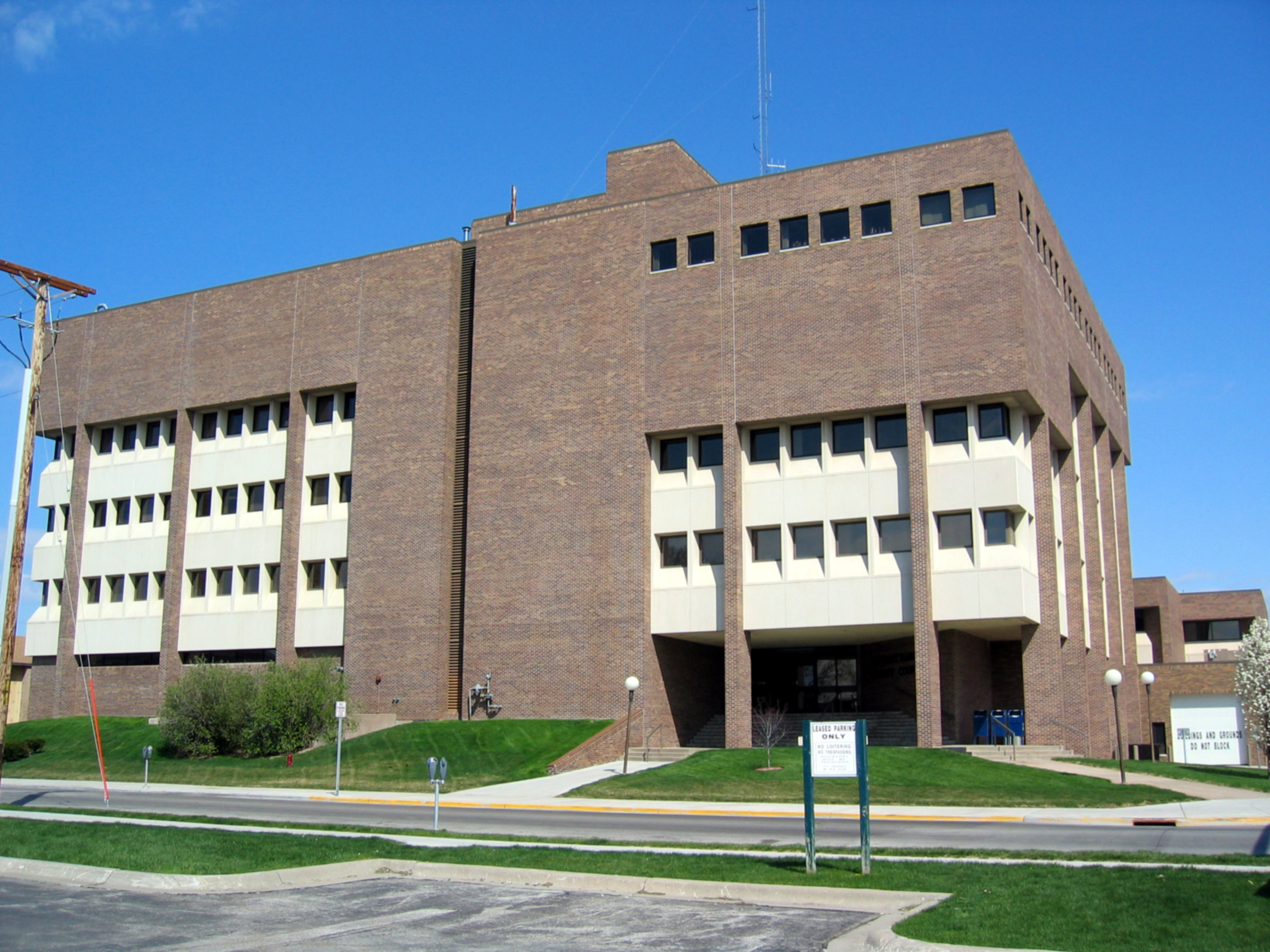
The path may begin with an investigation, arrest, initial appearance, bond terms, discovery, motions, plea discussions, and trial. A no-contact order can take effect early. Follow every condition as written, even if someone invites contact. We identify the deadlines and request the records needed to make informed decisions.
Our Pottawattamie County courts work includes evaluating the prosecution’s evidence and explaining how a potential resolution affects the record, custody exposure, and registry. We may challenge an unsupported identification, an unlawful search, or an element the state cannot prove. A sensitive charge demands careful preparation and discretion, not assumptions about either person’s account.
How do protective orders and parallel investigations affect the defense?
A court may impose no-contact conditions before guilt is decided. A college, employer, or professional board may conduct a separate inquiry using its own rules. We collect every notice and deadline, determine who is requesting a statement, and explain how information may move between forums. Compliance with an interim measure is essential even while it is contested.
If the parties share classes, work, housing, or parenting responsibilities, a restriction may need clarification. We seek changes through the issuing authority rather than asking a client to negotiate directly with the other person. A third-party message can still count as prohibited contact. Keep records of any accidental encounter and tell counsel promptly.
Does declining an interview end an investigation?
No. Investigators can continue gathering records and witnesses. The decision whether to speak depends on what is known, the risk of a statement, and the person’s legal rights. We can communicate with investigators, request information, and assess the timing without assuming silence alone resolves the matter.
What if the case involves an old allegation?
We identify the alleged date, the law in effect then, and any limitation period or exception applicable to the offense. Older cases can present lost messages, faded memories, and unavailable witnesses. We work to locate contemporaneous records and test the accuracy of the timeline rather than assuming the passage of time settles either side’s account.
What should a client expect from a confidential consultation?
We ask for the full account, including details that may be difficult to discuss, and explain the attorney-client relationship and next steps. Bring notices, orders, dates, and original communications. We will distinguish established facts from uncertainties and identify urgent preservation or court obligations. A candid discussion helps avoid a defense built around a fact that later proves wrong.
We also discuss the potential effect of charge reductions or alternative outcomes on registration and other consequences. A lesser sounding label may still have substantial obligations. The client should see the proposed terms and the governing law before deciding, with time for questions wherever the process permits.
What should be reviewed before any proposed plea?
 We examine the factual basis, exact statute, sentencing exposure, special sentence provisions, registration trigger, duration, and reporting obligations. We also ask about residence and work in another state. A change in one count may alter several consequences, but only the written terms and governing statutes tell the client what will actually follow.
We compare the offer with the strength of the evidence and the risks of trial. The client decides whether to accept a plea after advice, not pressure. If a condition is unclear, we seek clarification before the decision. The court process and the registry system are connected but distinct, and both need attention.
Related allegations can involve assault and violent crime charges, but those Iowa statutes have their own elements. We serve Council Bluffs and nearby Western Iowa communities, including Mills County, from our Omaha office. A Nebraska allegation calls for our separate Omaha sex offenses defense analysis.
Why choose Liberty Law Group for criminal defense?
We treat clients as people and allegations as matters requiring proof. We listen closely, protect confidentiality, identify the real legal issues, and explain uncomfortable facts plainly. Our Iowa and Nebraska practice helps us recognize cross-border consequences without importing one state’s terminology into the other’s courtroom.
We do not promise a dismissal, acquittal, or registry outcome. We prepare a defense based on the evidence and the governing Iowa law, keep the client informed, and advocate at each stage. An early consultation can clarify whether there is an open investigation, an immediate order, or a filing deadline.
Frequently asked questions about Council Bluffs sex charges
Can I contact the accuser to explain or apologize?
Do not contact anyone contrary to an order or through a friend. Even absent an order, direct outreach can be misunderstood or create new allegations. Discuss any necessary communication with counsel and use proper channels.
Is a campus finding the same as a criminal conviction?
No. A university process has its own policy and standard, while a criminal case is decided under Iowa law. Information can cross between the processes, so we coordinate responses when both are active.
Will an Iowa case follow me to Nebraska?
Court obligations and a qualifying conviction can have consequences beyond Iowa, including potential registration duties where a person resides or works. We analyze both states’ rules for the client’s actual situation.
What should I bring to a first meeting?
Bring the charging papers or investigator’s contact information, any order, court dates, and complete relevant communications. Tell us whether a device has been seized and whether another school or employment investigation is underway. Do not alter potential evidence.
Speak with a Council Bluffs sex crimes lawyer
The most useful first step is to learn the allegation, protect the record, and understand the deadlines before making a statement. Call Liberty Law Group at (402) 865-0501 for a free initial consultation, available 24/7. We defend people accused of criminal sex offenses in Council Bluffs, Pottawattamie County, and Western Iowa.
Liberty Law Group – Omaha Office
13321 California St, Suite 300,
Omaha, NE 68154
P: (402) 865-0501