





An Omaha felony DUI lawyer at Liberty Law Group defends people whose DUI has been charged as a felony, where the stakes move past a fine and a license suspension into state prison time and a permanent felony record. We challenge both the underlying DUI and the specific fact that pushed it to felony level.
Most people assume a DUI is a misdemeanor, and in Nebraska it usually is, until certain facts attach: a third offense, a serious injury, or a child in the vehicle. At that point the charge becomes a felony and the entire calculation changes. What follows is what makes a DUI a felony under Nebraska law, what penalties attach, and how we defend a charge at this level.
Charged with a felony DUI in Omaha? Call us at (402) 865-0501 for a case review.
Table of Contents
- What Turns a DUI Into a Felony in Nebraska
- Felony DUI Classification and Penalties
- License Revocation Consequences
- Mandatory Minimums and Why They Matter
- How a Felony DUI Defense Differs From a Standard DUI Defense
- How Prior Convictions Get Verified and Challenged
- The Role of Treatment and Substance Abuse Evaluation
- Why Felony DUI Cases Require Immediate Attention
- Frequently Asked Questions
- Speak With an Omaha Felony DUI Lawyer Now
What Turns a DUI Into a Felony in Nebraska
A DUI becomes a felony in Nebraska when one of a few specific facts is present: a third offense with a high BAC or a test refusal, a serious injury, a child passenger with aggravators, or a death. Each trigger carries its own sentencing structure and its own defense.
- Third or subsequent DUI offense. Under Neb. Rev. Stat. § 60-6,197.03, a third DUI within Nebraska’s 15-year lookback period becomes a Class IIIA felony when the BAC is 0.15% or higher or the driver refused chemical testing. Nebraska counts prior convictions going back fifteen years, so a conviction from years earlier can elevate a current charge even if the person has had no other issues since.
- DUI causing serious bodily injury. If impaired driving results in a serious injury to another person, the charge moves to felony status regardless of how many prior offenses the driver has, even on a first DUI.
- DUI with a child passenger under specific conditions. Driving under the influence with a minor in the vehicle can trigger enhanced charges, particularly when combined with other aggravating factors.
- Motor vehicle homicide while impaired. When impaired driving causes a death, the charge moves well beyond a felony DUI into homicide-level prosecution, carrying the most severe penalties under Nebraska law.
Each of these triggers requires the prosecution to prove specific elements beyond just impairment. A defense attorney examines whether the state can actually establish the aggravating factor that pushed the charge into felony territory, not just whether the underlying DUI allegation holds up.
Felony DUI Classification and Penalties
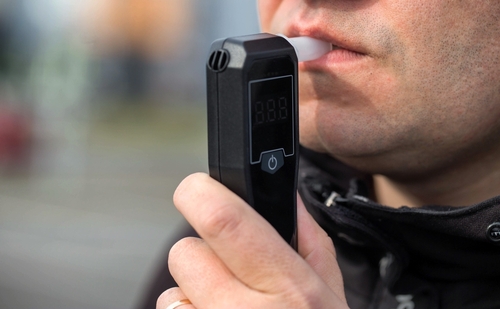
Felony DUI penalties in Nebraska depend on the trigger. A third-offense felony DUI and a DUI causing serious bodily injury are Class IIIA felonies under Neb. Rev. Stat. § 28-105, punishable by up to three years in prison, 9 to 18 months of post-release supervision, and a fine up to $10,000.
Higher repeat offenses can reach a Class IIA felony, which carries up to 20 years, and motor vehicle homicide while impaired is prosecuted as a separate, more serious felony.
Beyond prison exposure, a felony DUI conviction in Nebraska carries mandatory minimum jail time that cannot be waived through probation alone in many circumstances. The conviction also triggers a felony record that follows a person permanently, affecting employment applications, housing decisions, firearm rights, and, in some cases, professional licensing across numerous fields.
Fines for felony DUI convictions substantially exceed those for misdemeanor offenses, and courts frequently order substance abuse evaluation and treatment as a condition of any probation that’s granted. Ignition interlock requirements apply as well, often for an extended period beyond what a misdemeanor case would require.
License Revocation Consequences
A felony DUI conviction triggers license revocation through the Nebraska Department of Motor Vehicles, separate from any criminal court proceeding. This administrative process runs on its own timeline and has its own hearing requirements, which means a person facing felony DUI charges is actually managing two separate fights: the criminal case in court and the administrative license matter with the DMV.
Revocation periods for felony-level DUI offenses run significantly longer than those tied to a first or second misdemeanor offense, often extending well beyond a year and sometimes carrying multi-year restrictions on driving privileges.
Some defendants qualify for restricted licenses or ignition interlock permits that allow limited driving for work or other essential purposes, but qualifying for that relief depends on the specific facts of the case and compliance with court and DMV requirements.
Missing the deadline to request an administrative hearing on license revocation can result in losing the ability to challenge that revocation at all, regardless of how the criminal case eventually resolves. That deadline runs on a short clock, which is why contacting an attorney immediately after a felony DUI arrest matters for the license issue alone, separate from the criminal exposure.
The DMV license clock runs separately from your court case. Call (402) 865-0501before that deadline passes.
Mandatory Minimums and Why They Matter
Nebraska’s mandatory minimum sentencing structure for felony DUI removes some of the discretion a judge would otherwise have in a typical felony case. Once a defendant is convicted of a charge carrying a mandatory minimum, the judge cannot sentence below that floor, regardless of mitigating circumstances, unless the underlying charge itself is reduced or dismissed before conviction.
This is precisely why the pretrial stage of a felony DUI case carries so much weight. By the time a case reaches sentencing, many of the most effective defense options have already passed.
Challenging the stop, the field sobriety testing, the breath or blood test administration, and the chain of custody for any chemical evidence needs to happen well before trial, because those challenges are what create the possibility of a reduced charge, a dismissal, or leverage in negotiation that avoids the mandatory minimum altogether.

How a Felony DUI Defense Differs From a Standard DUI Defense
A felony DUI case demands a different level of scrutiny than a misdemeanor DUI, because the consequences justify spending more time and resources on every stage of the defense.
Challenging the underlying prior convictions. In third-offense cases, the state must prove that prior convictions actually qualify for enhancement purposes. An attorney reviews whether those prior cases were properly documented, whether the defendant was properly represented in those earlier proceedings, and whether the convictions fall within Nebraska’s applicable lookback period.
Scrutinizing causation in injury-based felony DUI cases. When a felony charge rests on causing serious bodily injury, the state must establish that the impairment actually caused the harm, not simply that impairment and harm both occurred. Accident reconstruction, medical records, and independent investigation often reveal alternative explanations that a police report never considered.
Testing the chemical evidence itself. Breath test machines require regular calibration and proper operator certification. Blood draws require specific protocols for collection, storage, and lab analysis. Any deviation from the required procedure opens the door to challenging the reliability of the result the state relies on most heavily.
Reviewing the stop and arrest for constitutional violations. An unlawful stop, an improperly conducted field sobriety test, or an arrest made without sufficient probable cause can result in the suppression of evidence on which the state’s entire case depends.
Building a sentencing strategy independent of trial outcome. Even when a conviction seems likely, a felony DUI defense attorney prepares mitigation evidence, treatment records, and character documentation that can influence where a sentence lands within the available range or whether alternatives to straight incarceration become available.
A felony DUI is fought before trial. Call (402) 865-0501 to start on yours.
How Prior Convictions Get Verified and Challenged
Third-offense felony DUI cases depend almost entirely on the state’s ability to prove two prior qualifying convictions actually exist and actually count. That sounds straightforward, but the verification process involves more moving parts than most defendants expect.
Court records from prior cases, sometimes filed years earlier and sometimes in a different county or even a different state, need to be pulled, authenticated, and matched correctly to the defendant in the current case. Clerical errors happen. Names get misspelled. Case numbers get transposed. Records from older cases sometimes reference a different middle name or an address that no longer matches anything connected to the current defendant.
An attorney handling a third-offense felony DUI reviews each prior conviction individually, checking whether the defendant was properly represented in that earlier case, whether the conviction actually falls within Nebraska’s applicable lookback period, and whether the documentation the state plans to use at trial is reliable enough to survive a challenge.
A prior conviction obtained without proper representation, for instance, may not be usable for enhancement purposes at all, which can change a third-offense felony case back into a second-offense misdemeanor matter entirely.
The Role of Treatment and Substance Abuse Evaluation
Nebraska courts frequently require a substance abuse evaluation as part of a felony DUI case, both before sentencing and as an ongoing condition if probation is granted. This evaluation isn’t simply a formality. The results can directly influence whether a judge views probation as a realistic option or whether incarceration becomes the more likely outcome.
A defendant who proactively engages in treatment before sentencing, rather than waiting for a court order to require it, often presents a stronger mitigation case. Judges in Douglas County generally respond more favorably to documented, voluntary engagement with treatment than to evidence that treatment only began after a conviction was already secured.
An attorney familiar with how local judges weigh this kind of evidence can advise on timing and documentation that genuinely help at sentencing, rather than treatment efforts that come across as an afterthought.
This matters particularly in cases where the defendant’s record shows a pattern connected to substance dependency rather than an isolated incident. Courts distinguish between these situations, and a sentencing argument built around a credible treatment plan can sometimes open the door to alternatives that a purely punitive approach would foreclose.
Why Felony DUI Cases Require Immediate Attention
Evidence in DUI cases degrades quickly. Dashcam and body camera footage may only be retained for a limited period before routine deletion. Witnesses at the scene become harder to locate as time passes. The administrative license revocation clock runs regardless of what’s happening in the criminal case. Waiting even a few weeks to retain counsel can mean losing access to evidence or missing deadlines that could have changed the outcome.
An Omaha felony DUI lawyer who gets involved immediately after arrest can request preservation of video evidence, identify and contact witnesses before memories fade, and file any necessary administrative appeal before the DMV deadline closes. That early work often shapes the entire trajectory of the case more than anything that happens later.
Frequently Asked Questions
Can a felony DUI charge ever be reduced to a misdemeanor in Nebraska?
In some cases, yes, depending on the strength of the evidence supporting the felony-level enhancement and the willingness of the prosecutor to negotiate. A successful challenge to a prior conviction’s validity, for example, can sometimes bring a third-offense charge back down to misdemeanor territory.
How long does a felony DUI stay on my record in Nebraska?
A felony DUI conviction stays on your Nebraska criminal record permanently. A court may later grant a set-aside, which changes how the conviction appears on your record and can ease some restrictions, but it does not erase the underlying record.
Does a felony DUI affect my ability to own a firearm?
Yes. A felony DUI conviction carries the same firearm restrictions as any other felony under both Nebraska and federal law. That generally means losing the right to possess a firearm, and depending on the offense the prohibition can last for life. Restoring those rights, if possible at all, is a separate legal process.
What if I refused the breath or blood test during my arrest?
Refusing the breath or blood test carries its own license-revocation consequences and can add a separate charge, but it does not automatically make the DUI case stronger for the prosecution. We evaluate how the refusal affects both the criminal case and the license matter, since they run on separate tracks.
Can I still drive for work while my felony DUI case is pending?
Limited driving privileges may be available through an ignition interlock permit or restricted license, depending on the specific revocation rules that apply to the charge. Eligibility depends on timing, compliance with administrative deadlines, and the specific facts of the case, so this should be raised with an attorney immediately rather than assumed.

Speak With an Omaha Felony DUI Lawyer Now
A felony DUI charge in Nebraska carries consequences that extend far beyond a typical traffic case, touching prison exposure, license rights, and a permanent felony record. Call our Omaha office at (402) 865-0501 or our Lincoln office at (531) 249-5534 for a case review. Our Omaha office is at 13321 California St #300, Omaha, NE 68154.
Call today, before evidence disappears and the license deadline closes.